Artificial grass or real grass? In India, choose real grass where there is open sun, good soil, a reliable water supply and someone to look after it. Choose artificial grass for terraces, balconies, shaded corners, high-traffic patches and anywhere water or maintenance is scarce. The two can also share one garden.
The question usually comes up after a lawn has failed: a patch under a tree that never grows back, a rooftop where soil was never practical, or a garden that turns brown every May because the water tanker did not come. A lawn is a living thing that needs sun, soil and water every week of the year. Artificial grass needs none of them, but it brings its own trade-offs. Matching each to the right part of the property gets the best from both.
The short comparison
- Water: a lawn needs regular irrigation through the dry months; artificial grass needs only an occasional rinse.
- Work: a lawn is mown, fed, weeded and repaired; artificial grass is brushed and kept clear of leaves.
- Sun and shade: real grass thins out in shade; artificial grass looks the same anywhere.
- Heat: real grass stays cooler in strong sun; artificial grass warms up and benefits from shade.
- Where it can go: real grass needs soil; artificial grass can be laid on terraces, balconies and paved areas.
Which is better for an Indian home, artificial or real grass?
It depends on the site more than on taste. A sunny ground-floor garden with good soil and a borewell or municipal supply can carry a healthy lawn, and real grass will feel cooler and more natural underfoot there. A rooftop, a balcony, a strip beside the drive or a play area under a mango tree is where artificial grass earns its keep, because a lawn in those places either cannot be planted or will not stay green. Treat the property as a set of zones and decide each one separately.
How much water does each need?
A lawn in most Indian cities needs watering several times a week through the hot, dry months, and more often on sandy soils or in full sun. Artificial grass needs no irrigation at all, only the odd rinse to wash off dust. For households and housing societies that depend on tankers, or that face water restrictions in summer, that difference often decides the question on its own.
Which needs less maintenance?
Artificial grass, by a wide margin. A lawn needs mowing through the growing season, feeding, weeding, aerating, and reseeding where it thins or where people wear a path. Artificial grass needs occasional brushing and clearing, and little else. What it does not do is repair itself: a burn mark or a damaged section has to be cut out and patched, whereas a lawn grows back.
Where does real grass do better?
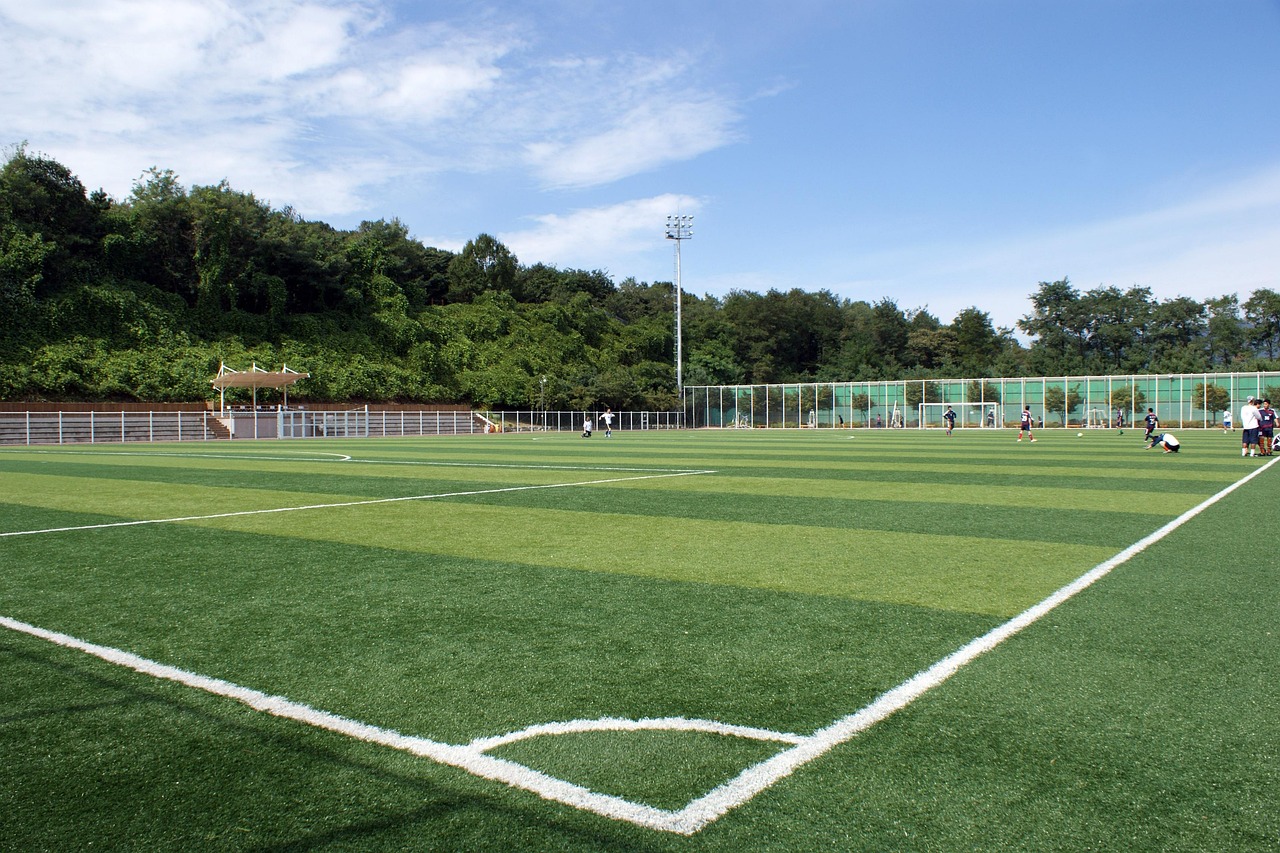
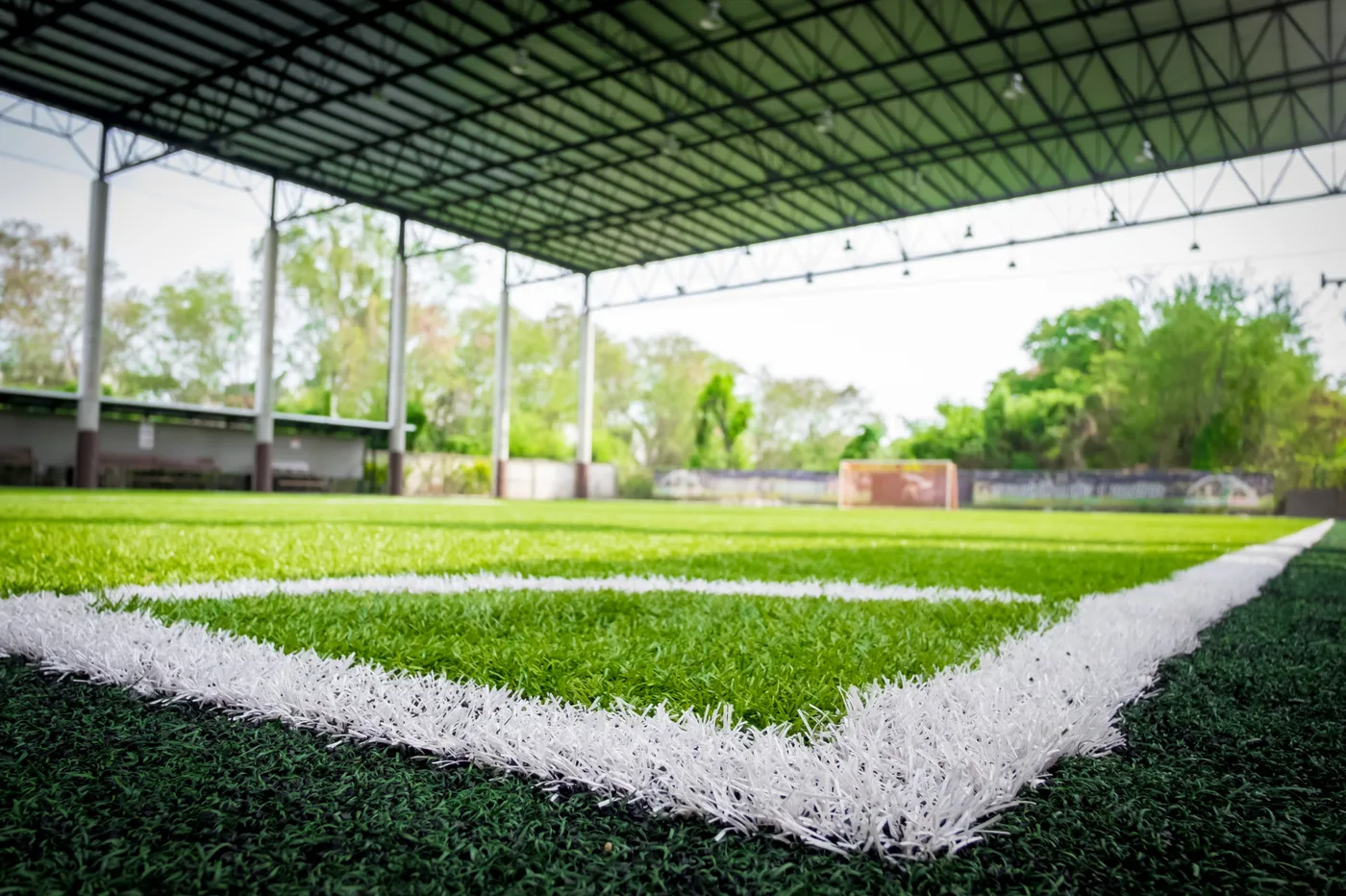
In open, sunny gardens where it can be looked after, real grass does several things artificial grass cannot. As the Sports Turf Managers Association summarises, turfgrass cools its surroundings through transpiration, its roots stabilise soil against erosion, and it lets rainwater soak into the ground, filtering it on the way. It also traps dust. On a large plot with water and a gardener, those benefits are worth keeping.
Where does artificial grass make more sense?
Wherever a lawn would struggle or simply cannot be planted:
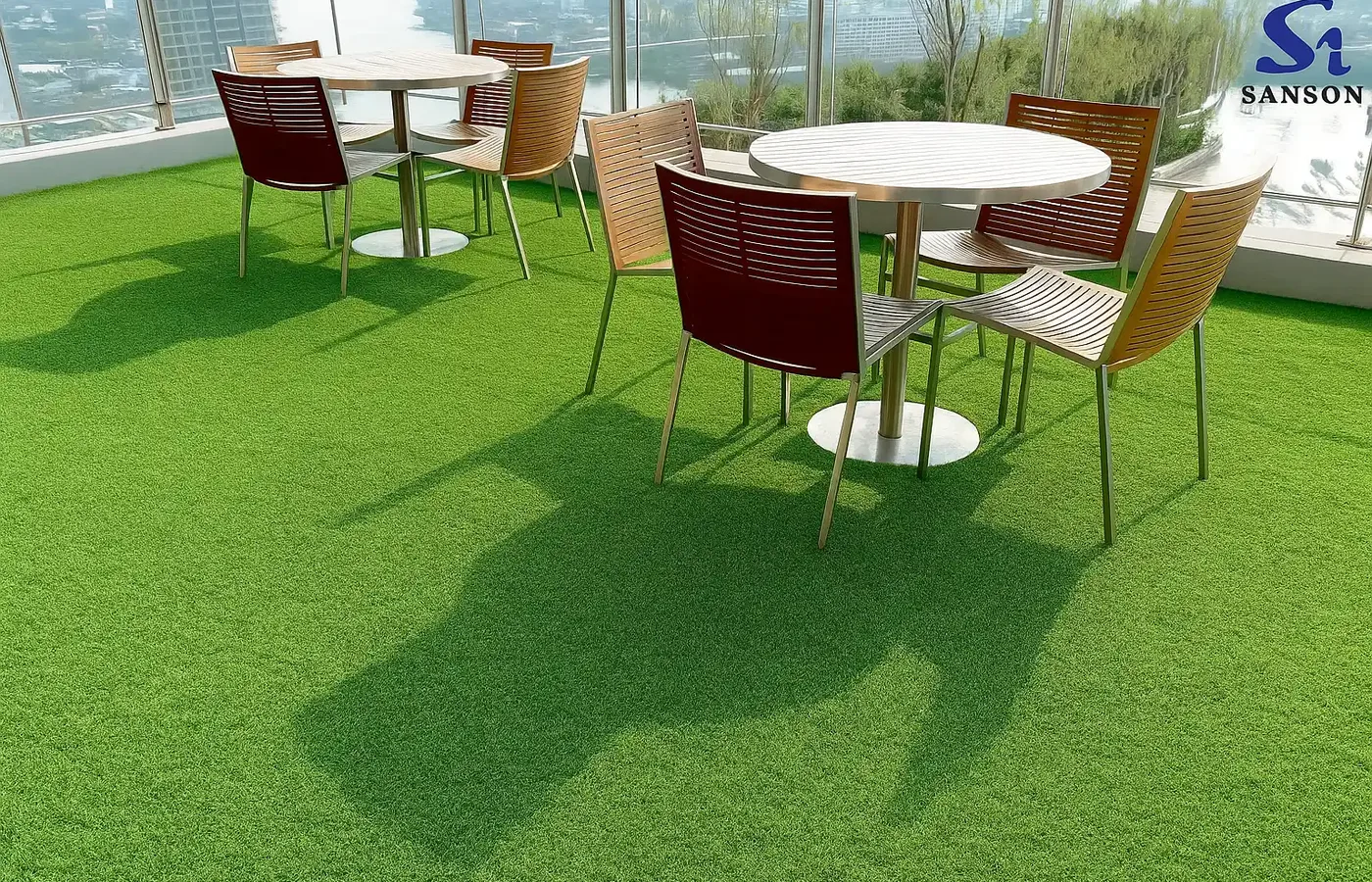
- Terraces, rooftops and balconies, where there is no soil to grow in.
- Shade under trees, beside tall boundary walls or between buildings.
- High-traffic patches such as play corners, paths across a lawn and seating areas.
- Water-short sites, or homes that are empty for long periods.
- Commercial frontages and cafés that need to look the same every day of the year.
For balconies specifically, our balcony grass guide covers pile height, drainage and laying it over tiles.
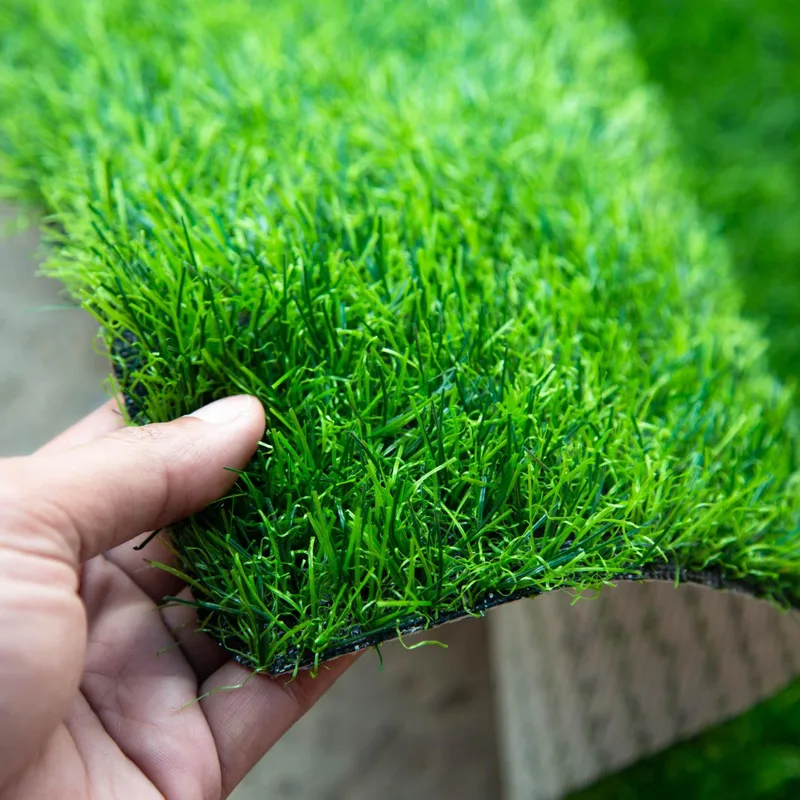
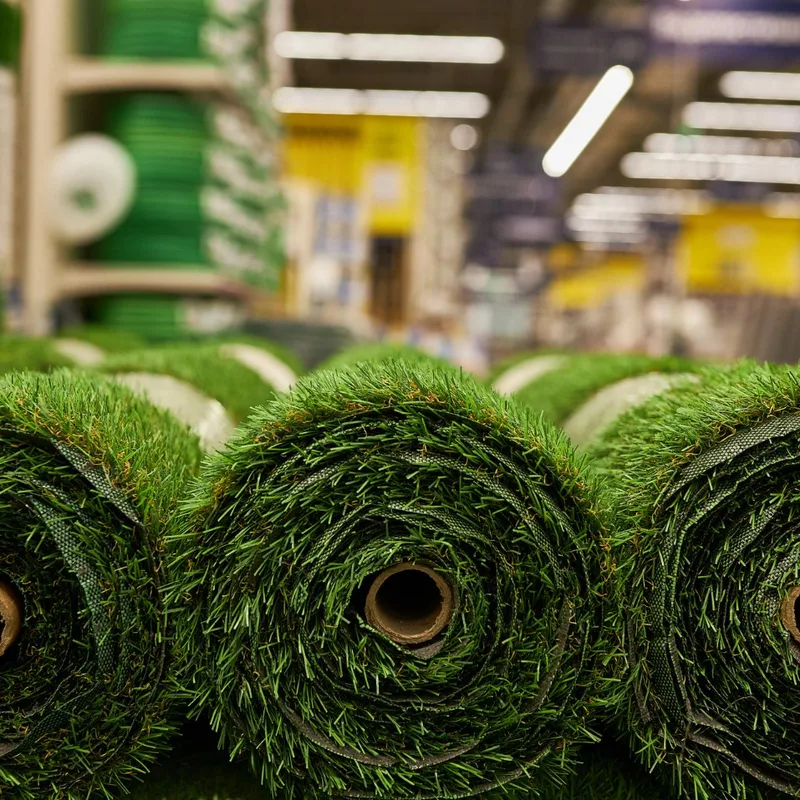
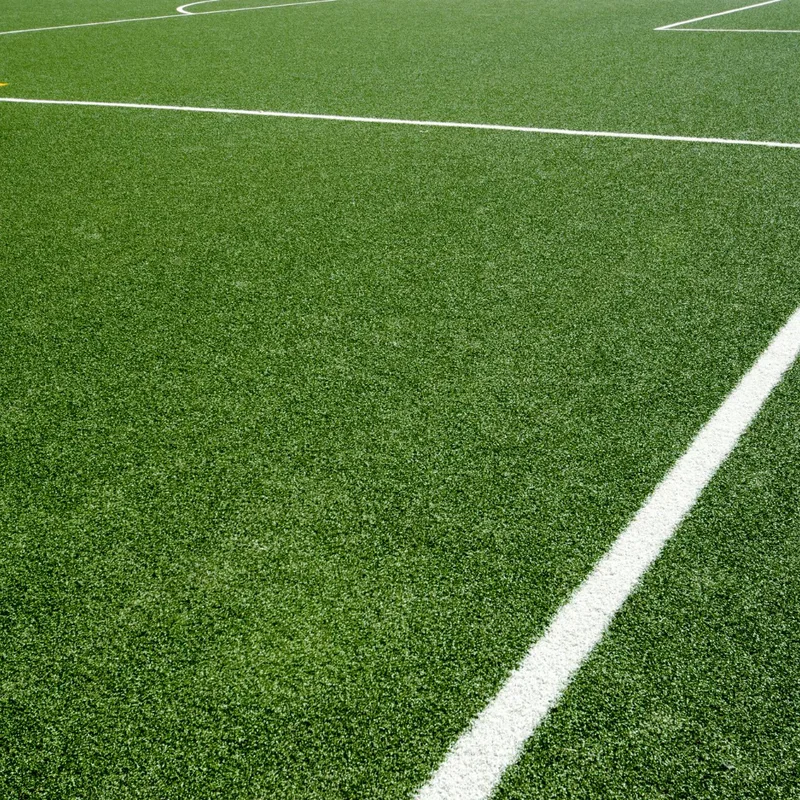
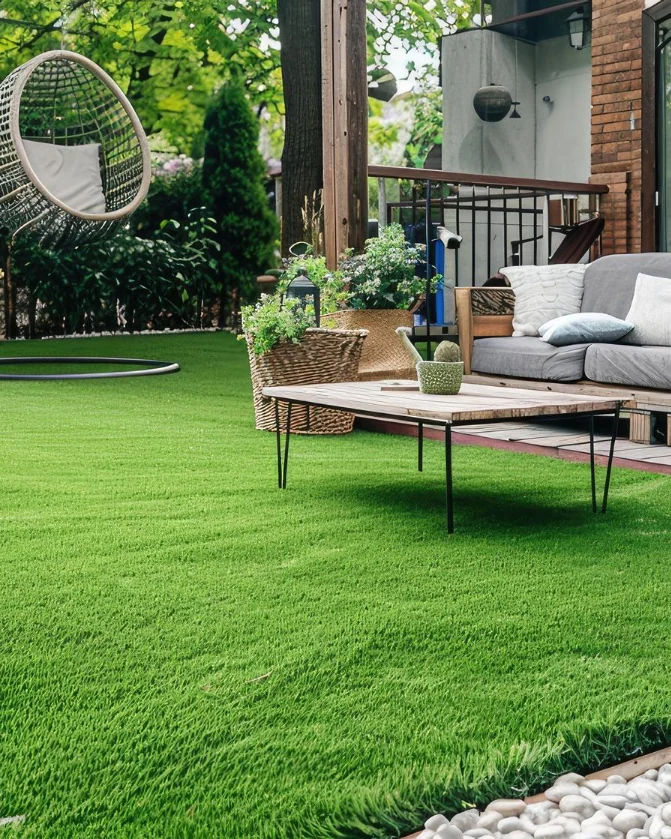
Artificial grass arrives in rolls and is cut to fit, so it can go where a lawn cannot: on paving, terraces and shaded beds.
What about heat?
This is artificial grass's main weakness. In direct summer sun it gets considerably hotter than a watered lawn, so it suits shaded or partly shaded areas best. How GAIA Landscape Grass is made to resist UV is covered in our guide to sun and fading.
Which costs less over time?
The two spend money at different times. Artificial grass costs more on the day it is laid, because of the product and the base preparation. A lawn costs less to plant but keeps costing: water, a gardener's time, fertiliser, and returfing patches that fail. Over several years the gap narrows, and on sites where a lawn keeps dying it often reverses. Compare the two for your own garden by adding up a year of upkeep, not just the laying price.
Which grass for which space?
- Sunny, open lawn with water and a gardener: real grass.
- Area under trees or in heavy shade: artificial grass.
- Terrace, rooftop or balcony: artificial grass.
- Children's play corner or a path people cut across: artificial grass.
- Large garden in full sun with no shade: real grass, or artificial grass only where shade can be added.
- Holiday home or a property left empty for months: artificial grass.
For artificial areas, the GAIA Landscape Grass range covers short balcony piles through to fuller lawn heights.
What to send us
- a sketch or photographs of the garden, terrace or balcony;
- which parts get full sun, part sun and shade;
- what the surface is now: soil, paving, tiles or concrete;
- how the space is used, and by whom.
Lawn questions
Is artificial grass eco-friendly?
It saves water, fertiliser and mowing, but it is a plastic product that does not cool or absorb rain the way a living lawn does. It is the greener choice where a lawn would need heavy watering or would not survive, and the less green one where real grass grows easily.
Can I mix real and artificial grass in one garden?
Yes. Many gardens keep a real lawn in the sunny open area and use artificial grass under trees, along paths and on the terrace, with an edging strip where the two meet.
Can artificial grass be laid on soil?
Yes, on a properly prepared base. The soil is levelled and compacted, a free-draining sub-base is added and the grass is fixed at the edges. We advise on the base for your site.
Green where you want it
Plan the right grass for each part of your space
Tell GAIA by Sanson Floorings about your garden, terrace or balcony, and we will suggest where artificial grass makes sense and which pile height suits it.