Does Artificial Grass Fade in the Sun? What Indian Summers Do to Turf
Every outdoor synthetic surface changes under sunlight. How slowly depends on the yarn, and on the site it is laid on.
GAIA by Sanson Floorings · New Delhi ·
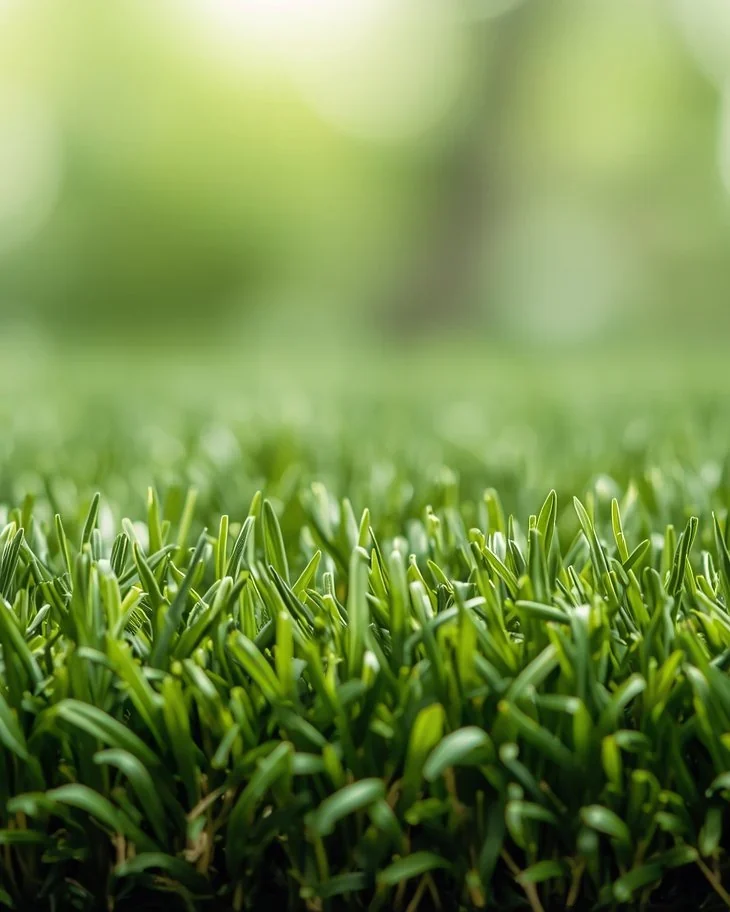
Yes, slowly. Ultraviolet light gradually breaks down the pigment and polymer in every synthetic grass blade. How slowly depends on the UV stabilisers in the yarn and on the site: hours of direct sun, glare from nearby glass, wear and dust. GAIA Landscape Grass is made with UV-resistant yarn certified to UNE 14836.
In much of India a terrace or rooftop lawn can sit in full sun for most of the day, so it is worth asking the question before choosing a product rather than after the first summer. The answer has two halves: how the yarn is made, which you choose once, and how the site treats it, which carries on for as long as the lawn is down.
Why does sunlight fade artificial grass?
Artificial grass blades are polymer fibres coloured with pigment. Ultraviolet light breaks both down over time, which shows first as a paler, bleached green and later as a drier, more brittle blade. UV stabilisers built into the yarn slow that process, which is why two lawns of the same green can look very different after a few years in the same sun.
Heat adds to the strain, and so does sunlight reflected from windows and glass railings, which can concentrate on one patch of lawn for part of the day.
What makes GAIA Landscape Grass UV resistant?
GAIA Landscape Grass comes in nine pile heights, from SFL 20 at 20 mm to SFL 60 at 60 mm, in 5 mm steps. Whichever height you choose, the build is the same:
- Yarn: UV-resistant PP in a natural two-tone green.
- Construction: 6000 dtex at a 3/8" gauge.
- Colour life: SFL 20 and SFL 35 are made for lasting colour retention, and SFL 55 uses fade-resistant fibres built for harsh outdoor use.
The yarn comes from Bellinturf and is certified to UNE 14836. GAIA was the first to bring grass yarn certified to this standard to India. UNE 14836 is Spain's adoption of EN 14836, the European method for exposing synthetic outdoor sports surfaces to artificial weathering. Put simply, the yarn has been through a recognised accelerated test of sun and weather.
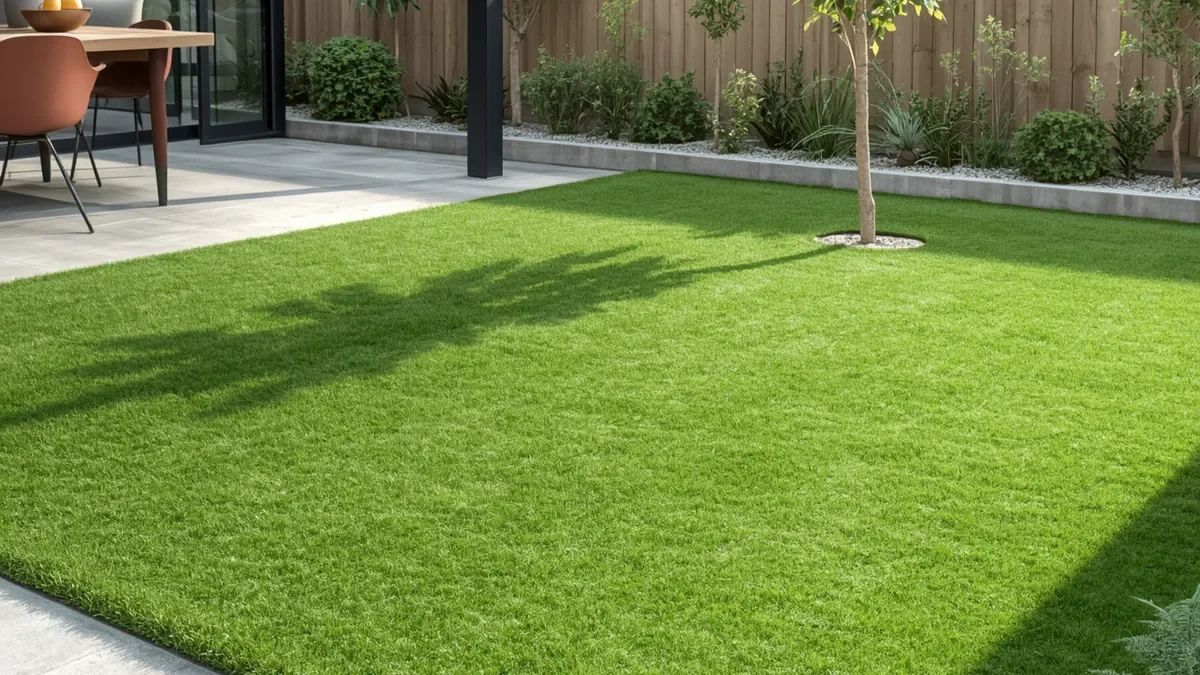
What can a UV test tell you, and what can it not?
A weathering test is a laboratory benchmark. It shows how a yarn stands up to accelerated sun and weather compared with others, but it cannot promise a set number of years on your terrace, because no laboratory reproduces your orientation, glare and use. If colour life matters to the project, our team will share the UNE 14836 test documentation for the variant you shortlist, together with the warranty terms in writing, including what counts as fading.
What on site makes artificial grass fade faster?
Most of what you can control is here rather than in the product choice.
- Hours of direct sun. A south- or west-facing terrace with no shade takes far more UV than a shaded courtyard. Shade on the hottest side helps, whether from a pergola, a shade sail or planting.
- Reflected sunlight. Windows, glass balustrades and glazed façades can bounce concentrated light onto the grass. Watch the site across a sunny day before deciding where the lawn goes.
- Flattened pile. Areas that are walked on constantly, or sit under furniture, lie flat and catch the light differently. People often mistake this for fading; brushing the pile back up usually restores the look.
- Dust. A dusty lawn looks dull and pale long before the colour has changed. A regular rinse, where drainage allows, brings the true green back.
Is surface heat the same problem as fading?
No, though the same sun drives both. Fading is a slow change in the yarn; heat is how the lawn feels underfoot on a summer afternoon. Like any synthetic surface in direct sun, artificial grass warms up more than a natural lawn, which cools itself by releasing moisture. Shade over seating and play areas helps with both, and a quick rinse of cool water brings the surface temperature down before use.
Does pile height make a difference to fading?
Every height in the range uses the same UV-resistant yarn, so choose on use, comfort and appearance rather than on sun exposure. A taller pile does show flattening more readily in busy spots, so on a well-used terrace plan for regular brushing whichever height you pick.
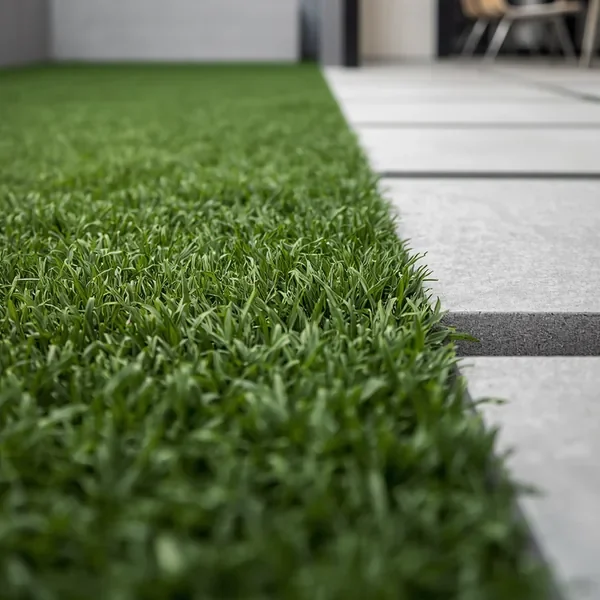
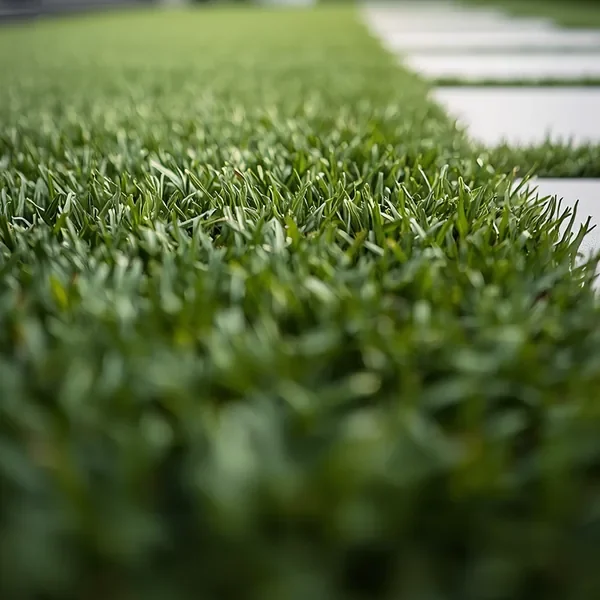
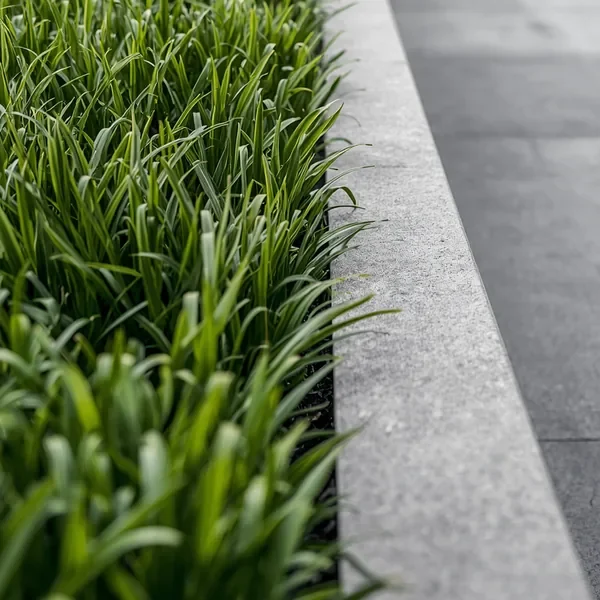
SFL 35, SFL 45 and SFL 60 Landscape Grass. Pile height changes the look and feel; the UV-resistant yarn is the same throughout.
What to tell us about your site
- which way the terrace or garden faces, and roughly how many hours of direct sun it gets;
- any glass nearby, including windows, railings and neighbouring façades;
- how the space will be used and where the furniture will sit;
- photographs taken at midday and in the late afternoon.
With that, our team will recommend a pile height and variant for the site. You can compare all nine heights in the GAIA Landscape Grass range, or see sports and multi-use surfaces in the wider artificial grass and multiturf collection.
Questions that come up often
Will artificial grass fade in Indian sun?
All outdoor artificial grass changes slowly under UV. How quickly depends on how well the yarn is UV-stabilised and on the site: hours of direct sun, reflected glare, use and upkeep.
Is GAIA Landscape Grass UV resistant?
Yes. Every variant from SFL 20 to SFL 60 uses UV-resistant yarn from Bellinturf, certified to UNE 14836.
How many years will the colour last?
That depends on the sun, glare, use and care the lawn gets, so no honest figure fits every site. Ask us for the warranty terms and test documentation for the variant you choose.
Plan for the sun it will face
Share your site's sun exposure
Tell GAIA by Sanson Floorings which way your site faces, how much sun it gets and how you will use it, and we will suggest the right Landscape Grass for it.