To clean carpet tiles, vacuum them as often as foot traffic demands, blot spills at once from the edge inwards, and book hot-water extraction once or twice a year. A tile that will not come clean is lifted out and swapped for one from your spare stock. Good entrance matting cuts the work for all of it.
Carpet tiles are forgiving floors, but they are not self-cleaning. In an Indian office the soil arrives in predictable ways: fine dust that settles every day, mud and water through the monsoon, tea and coffee at every desk, and the occasional dropped lunch. A routine built around those, written down and handed to the housekeeping team, keeps the floor looking close to new for years. Leaving it to chance makes even a good carpet look tired within a season.
The cleaning routine at a glance
- Stop dirt at the door: walk-off matting inside every main entrance.
- Vacuum by traffic: busy routes daily, quieter areas every two or three days.
- Treat spills at once: blot, never rub, and work from the edge towards the centre.
- Deep-clean on a calendar: hot-water extraction, with the carpet left to dry fully.
- Replace, do not scrub: a damaged tile is swapped for a spare from the same batch.
How often should carpet tiles be vacuumed?
Daily in heavy-traffic areas, and every two or three days in medium and light-traffic areas, which is the schedule New York State's green cleaning programme sets for its own buildings. The same guidance credits vacuuming with removing more than 80 per cent of the soil that arrives each day, which makes it the cheapest and most effective step in the whole routine. Gritty dirt left in the pile acts like sandpaper underfoot, so the main walkways, the reception and the area around the pantry deserve the most attention.
Use an upright vacuum with a rotating brush for the open floor, run it slowly in overlapping passes, and use the crevice tool along skirting and under desks, where dust collects unseen.
Why does entrance matting matter so much?
Because most of the soil on a carpet is carried in on shoes. Matting at each main entrance traps grit and water in its first few metres, before they spread across the floor. The New York guidance asks for 12 to 15 feet, roughly 3.5 to 4.5 metres, of walk-off matting at every main entryway. During the monsoon, add a scraper mat outside and clean the inside mats more often, because a saturated mat stops working.

How do you remove a stain from a carpet tile?
Act quickly, blot rather than rub, and work from the outside of the mark towards the centre so it does not spread. The usual order is:
- scrape up anything solid with a blunt knife or spoon;
- blot liquids with a clean white cloth until no more transfers;
- apply a little clean water, or a carpet spotting solution suited to the yarn, and blot again;
- repeat until the cloth comes away clean, then blot with plain water to remove any residue;
- leave it to dry, or weigh down a dry towel on top to draw out the last moisture.
Test any cleaning product first on a spare tile from the same box, not on the floor itself. If a second careful attempt does not shift a stain, stop: further scrubbing usually damages the pile more than it removes the mark, and replacing the tile is the cleaner answer.
What about tea, food and ink stains?
Most office stains are water-based and come out with prompt blotting and water. Tea and coffee are the commonest; deal with them before the sugar and milk dry into the pile. Curries need the solids lifted first and quick treatment, because turmeric stains fast and oil spreads; a stubborn yellow mark is a job for a professional cleaner. Ink and marker are harder, and a professional cleaner should handle anything that has spread across several tiles. Chewing gum can be frozen with an ice pack and chipped away once it hardens.
How often do carpet tiles need deep cleaning?
About once a year for heavy and medium-traffic areas, and every two years for light-traffic areas, with busier spots cleaned between those visits as they need it. Hot-water extraction is the usual method for a deep clean. Two points matter more than the machine: the carpet should be vacuumed thoroughly first, and the equipment should remove enough water for the floor to dry completely within 24 hours. A carpet left damp for longer can resoil quickly and smell musty, which is why deep cleaning is best booked for a Friday evening or the start of a holiday.
Carpet tile cleaning schedule by area
- Entrances, reception and main walkways: vacuum daily; clean the matting daily in the monsoon; spot-clean the same day; deep-clean at least once a year.
- Open-plan desks and corridors: vacuum daily on main routes and every two or three days elsewhere; deep-clean once a year.
- Meeting rooms and cabins: vacuum every two or three days; spot-clean after events with food.
- Areas next to pantries and cafés: vacuum daily; check for spills at the end of each day.
- Rarely used rooms: vacuum weekly; deep-clean every two years.
How do you replace a damaged carpet tile?
Lift it and drop in a spare. A tile that is burnt, badly stained or worn through is prised up at one corner, the area beneath is cleaned, and a spare from the same production batch is laid in its place, turned to match the direction of its neighbours. This is the real advantage of a modular floor, and why spare tiles from the original order are worth storing. Our guide to ordering carpet tiles covers how many to keep. For a new floor, the GAIA carpet tiles range shows the textures and colours available.
Some offices also rotate tiles from busy walkways with tiles from under desks, so that wear spreads more evenly. Do it only where the design allows, and before the difference in wear becomes visible.
Which carpet tiles are easiest to keep clean?
Mid-tones with texture or pattern. A very dark plain carpet shows dust and lint; a very light one shows every footprint. Greys, taupes and multi-tone yarns with a little texture hide everyday soil between vacuuming, which matters most in busy areas. Our guide to choosing carpet tile colours explains how to balance this with the look you want.

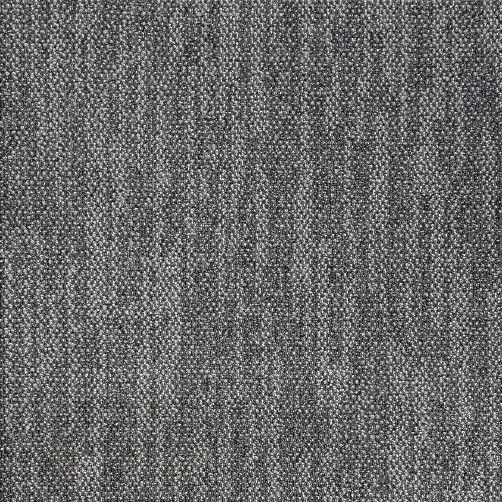
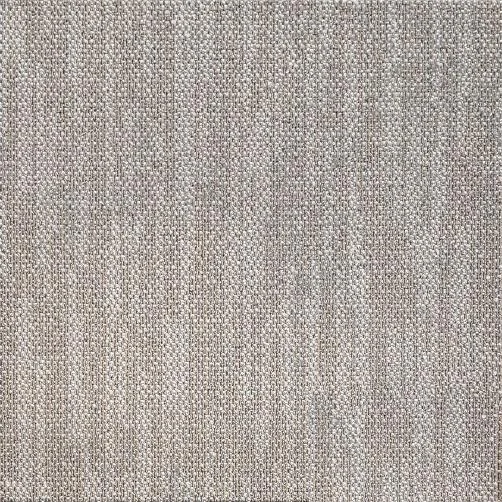
GAIA Nevada in Grey, Charcoal and Beige: a flecked, multi-tone texture breaks up dust and footprints between cleans.
What to send us
- the areas you need to look after, and roughly how many people use them;
- photographs of any stains or wear you want advice on;
- the collection and colour, if the carpet came from us;
- your current cleaning routine and who carries it out.
We will suggest a care routine for each area of your floor.
Carpet tile care questions
Can you mop carpet tiles?
No. Mopping leaves too much water in the pile. Vacuum regularly, spot-clean with a cloth, and leave wet cleaning to hot-water extraction equipment that removes the moisture again.
Can carpet tiles be cleaned with a steam cleaner?
Professional hot-water extraction, often called steam cleaning, is the standard deep-cleaning method. The key is that the floor is dry within 24 hours.
Floors that stay presentable
Ask us about carpet tile care
Tell GAIA by Sanson Floorings how your space is used, and we will suggest a cleaning routine for every area.