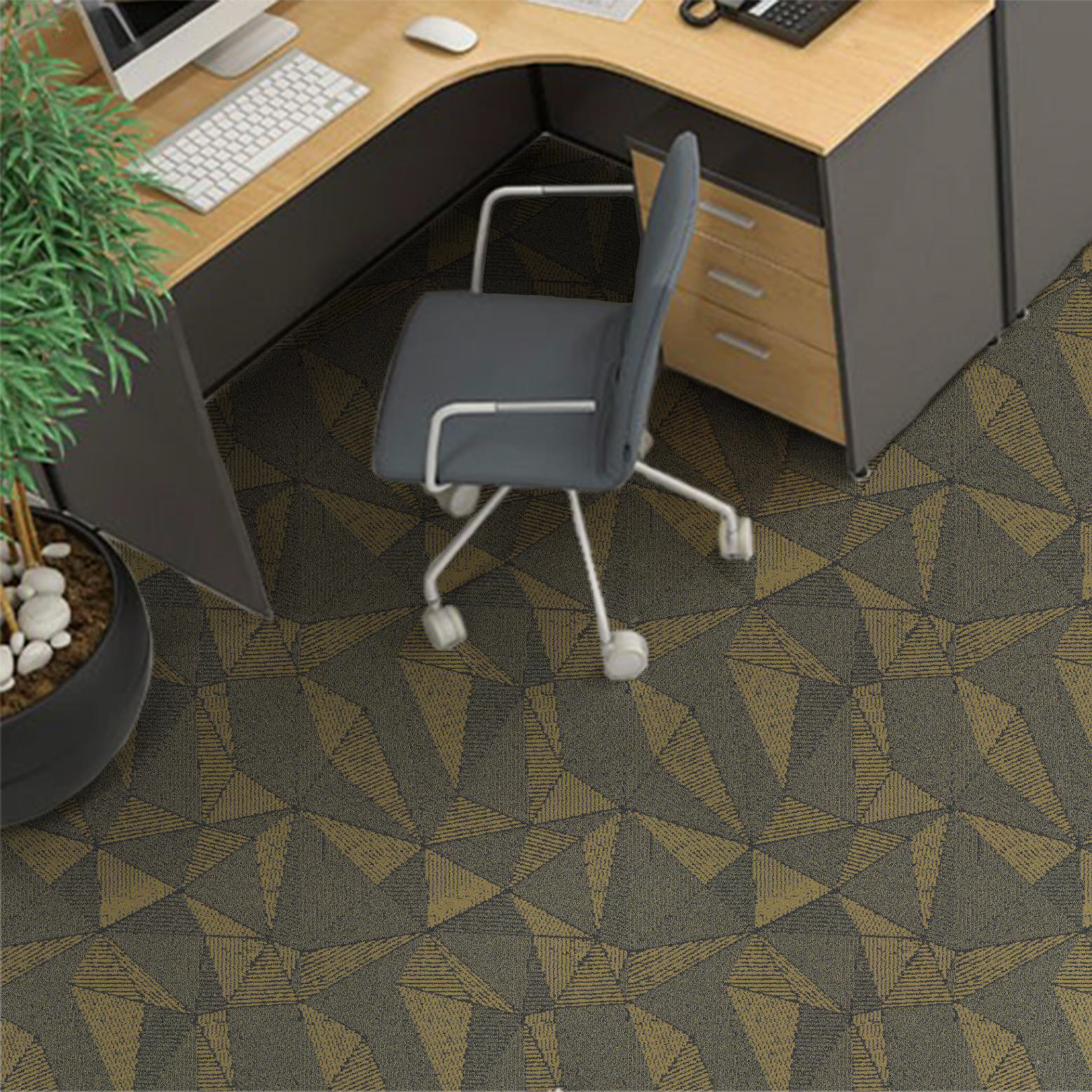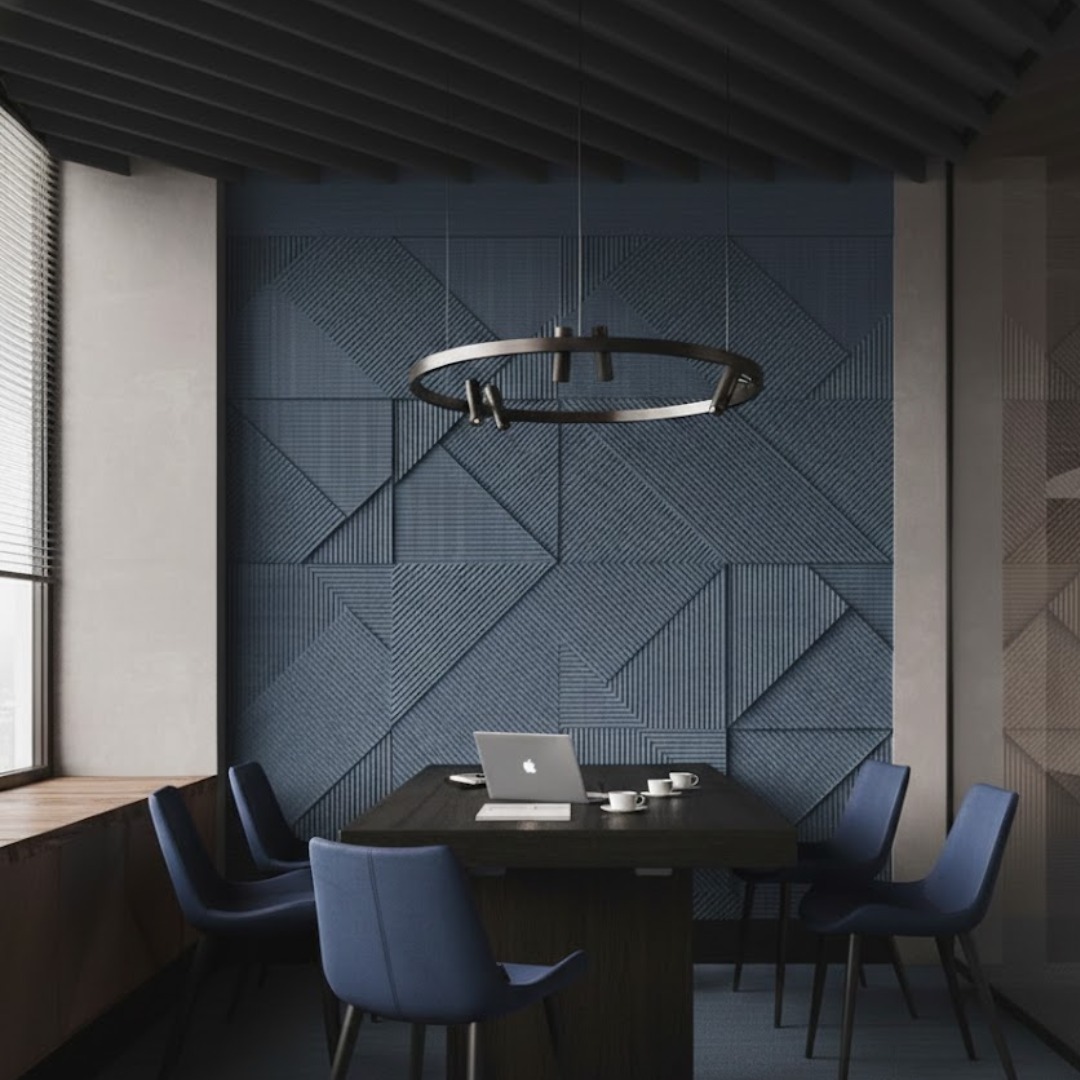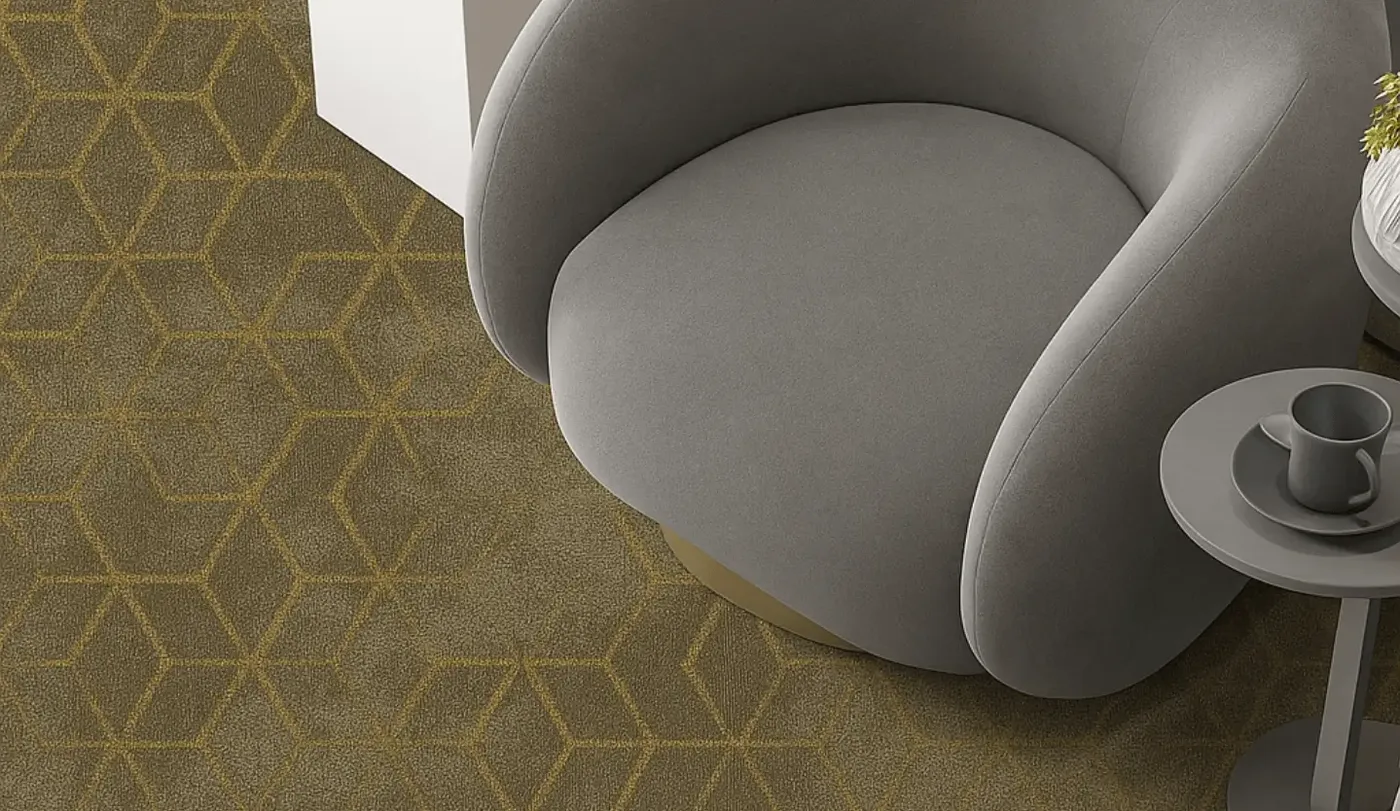
Hotels use broadloom carpet where they want one continuous, designed floor: corridors, guest rooms, ballrooms and banquet halls. It comes off wide rolls, runs wall to wall with few seams and can be made to the hotel's own pattern and colours. GAIA tufts broadloom in India and customises fibre, backing, texture, colour and pattern for each project.
In a hotel the carpet does more work than almost any other finish. It carries luggage trolleys and housekeeping carts all day, softens the sound of guests arriving at midnight, and sets the tone of the brand from the lift lobby to the bedside. Most hotel carpet problems trace back to one of three decisions made too quickly: the pattern, the colour, or how the floor will be cleaned.
Five rules for hotel broadloom
- Design the corridor as one run: a continuous pattern from the lift to the last door reads as one space.
- Scale the pattern to the room: a large repeat suits a ballroom; a corridor needs one that still works at its width.
- Choose colours for soiling, not for the sample board: mid-tones and pattern hide wear between cleans.
- Protect every entrance: walk-off matting stops grit reaching the broadloom.
- Agree the cleaning routine before ordering: it affects fibre and colour choices.
Why do hotels choose broadloom carpet?
For continuity, comfort and quiet. Broadloom is made in wide rolls, so a corridor or a guest room is covered with very few joins, and a pattern can flow across the whole floor without the grid lines that modular formats show. It is also the format that makes a fully bespoke design practical, because the pattern is set into the roll rather than assembled from repeating pieces. Industry specifiers interviewed by Hotel Management name acoustics and safety as the main reasons broadloom remains the usual choice for hotel corridors.
GAIA broadloom is tufted on machinery that controls pile height, density and pattern precisely, and is made to the project: fibre, backing, texture, colour and pattern can all be specified. See the designs on the GAIA broadloom carpets page.
What carpet works best in hotel corridors?
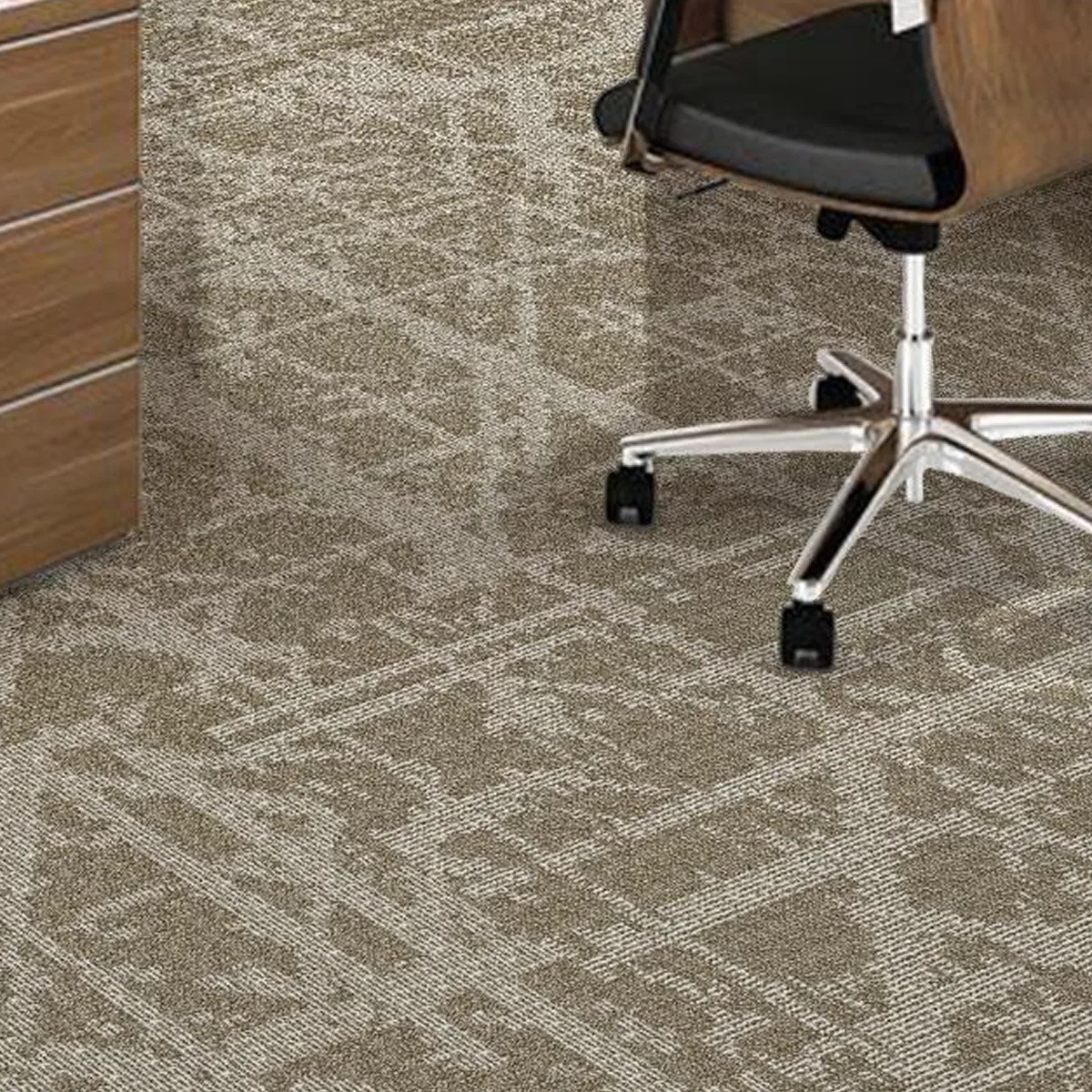
A hard-wearing, well-patterned broadloom laid as one continuous run. Corridors take more soiling and wear than any other carpeted area of a hotel, so pattern and colour do much of the practical work: a large repeat in the right colours hides marks until the next scheduled clean. Many recent designs replace separate door-drop motifs with a single repeating pattern down the whole length, which keeps the corridor calm and makes it read as an extension of the lobby.
How should guest room carpet differ from corridor carpet?
It can be softer and quieter in design. Guest rooms see far less traffic than corridors, so the choice is driven more by comfort and mood: a calmer pattern or a textured plain that sits well with the bed, curtains and furniture, often in the same colour family as the corridor so the two connect at the door. Carpet in the room also keeps footsteps and dragged luggage from carrying to the room below.
What about ballrooms and banquet halls?
Large rooms suit large patterns. A ballroom carpet is seen from across the room, often with tables and chairs moved around it for each event, so the pattern needs a repeat big enough to read at a distance and busy enough to disguise food and drink spills. The carpet also does real acoustic work in these spaces, though in a tall banquet hall it needs help overhead; our guide to reducing echo explains where else to add absorption.
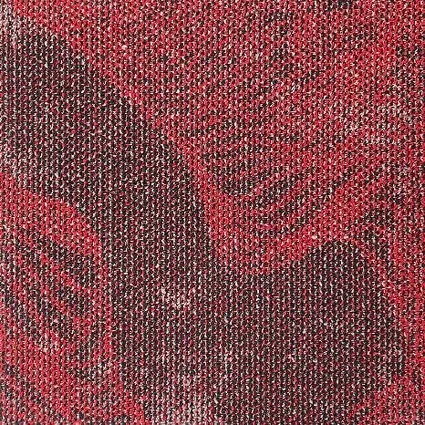
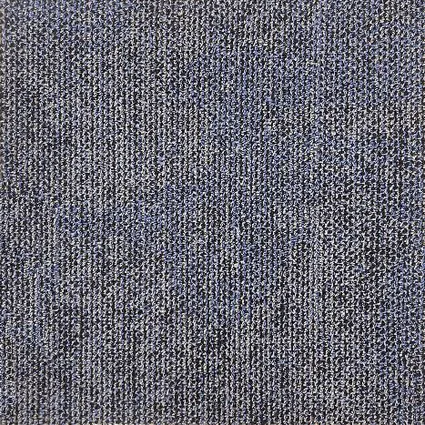
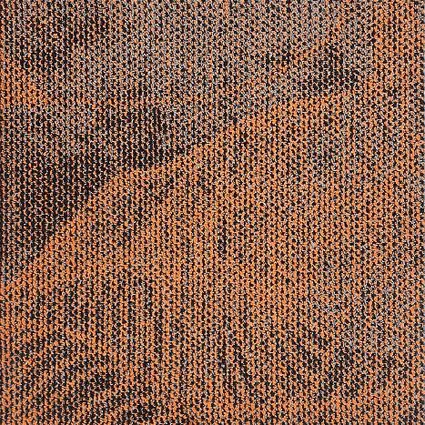
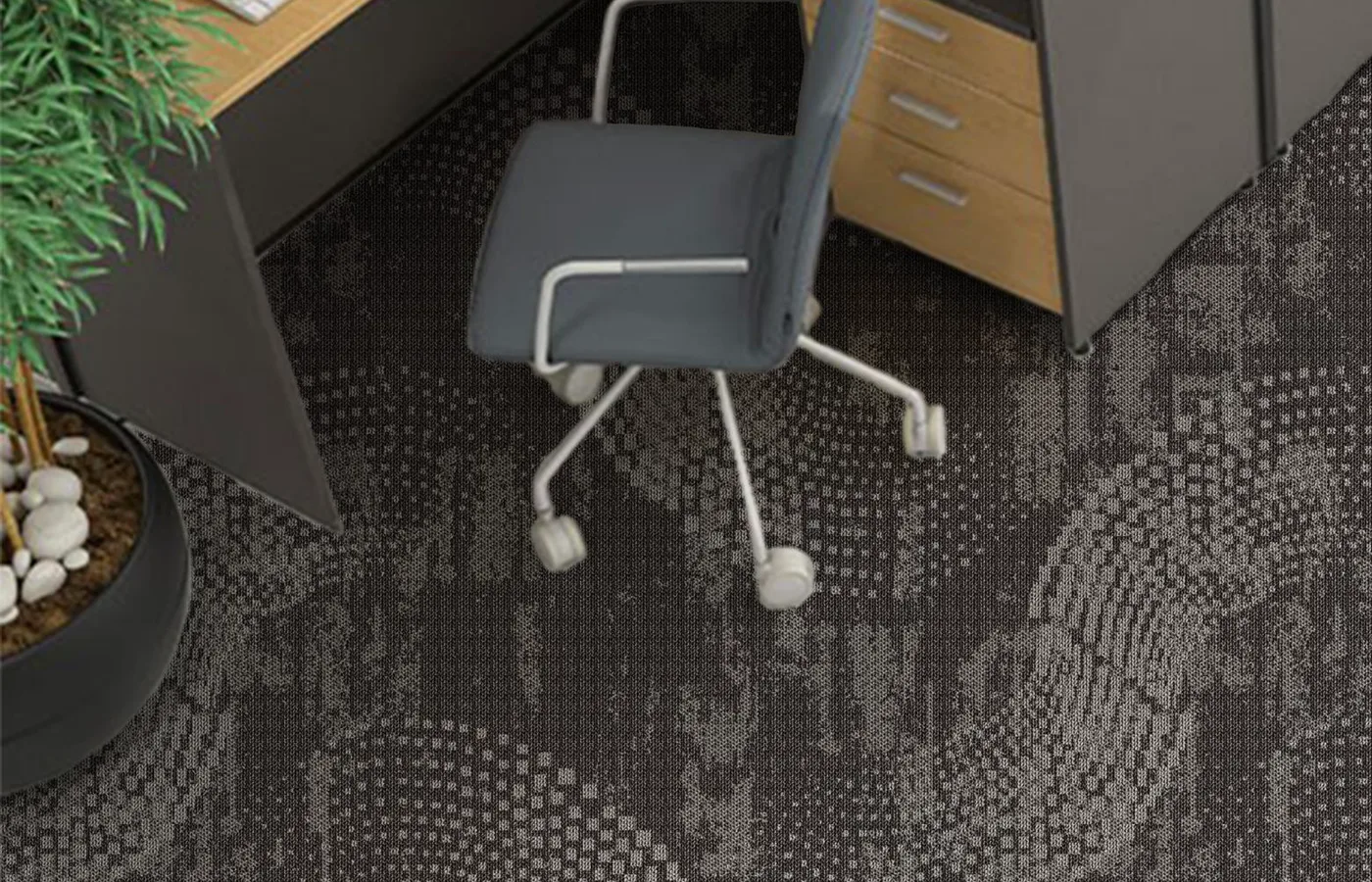
One GAIA broadloom design in three colourways: the same pattern can follow a hotel's palette from floor to floor.
Hotel carpet brief: what to decide before sampling
Use this list to brief a custom carpet. It saves rounds of samples and keeps design, operations and housekeeping aligned.
- Areas and drawings: corridors, guest rooms, suites, ballroom, meeting rooms, with plans and corridor widths.
- Brand palette: colour references, and which colours must match exactly.
- Pattern scale: repeat size for each area, checked against corridor width and furniture layouts.
- Traffic and use: where trolleys run, where food and drink are served, which entrances open to the outside.
- Cleaning routine: how often and by what method housekeeping cleans each area.
- Approvals: who signs off the strike-off sample, and under which lighting it will be judged.
How do you keep hotel broadloom looking new?
With a written routine that suits the fibre and is followed every day. The usual pattern is daily vacuuming, prompt spot cleaning, and scheduled deep cleaning by hot-water extraction, with pile-friendly equipment rather than aggressive rotary machines. Ask for a care document with the carpet that names the cleaning methods and frequency for each area, and make sure housekeeping has it.
If you are still deciding between formats, tiles versus broadloom sets out where each format works best.
What to send us
- floor plans of the areas to be carpeted;
- brand colours, mood boards or reference images;
- the number of rooms and the timeline for each phase;
- how each area is used and cleaned.
Our team will propose designs, colourways and sampling for each part of the property.
Hotel carpet questions
Can broadloom carpet be used on hotel stairs?
Yes. Broadloom can be cut and fitted to stair treads and risers, so a staircase can continue the corridor design. Fitting details depend on the stair, and we agree them at survey.
Can a hotel carpet be made in our brand colours?
Yes. GAIA broadloom is made to order, so colour, pattern, texture and fibre can follow the brand palette and be approved on a sample before production.
Who should sign off a hotel carpet design?
The design team, the operator and housekeeping. Design approves pattern and colour, the operator checks it against brand standards, and housekeeping confirms it suits the cleaning routine.
Floors that carry the brand
Brief us on your hotel carpet
Share your plans and brand palette with GAIA by Sanson Floorings, and we will develop broadloom designs for each area of the hotel.