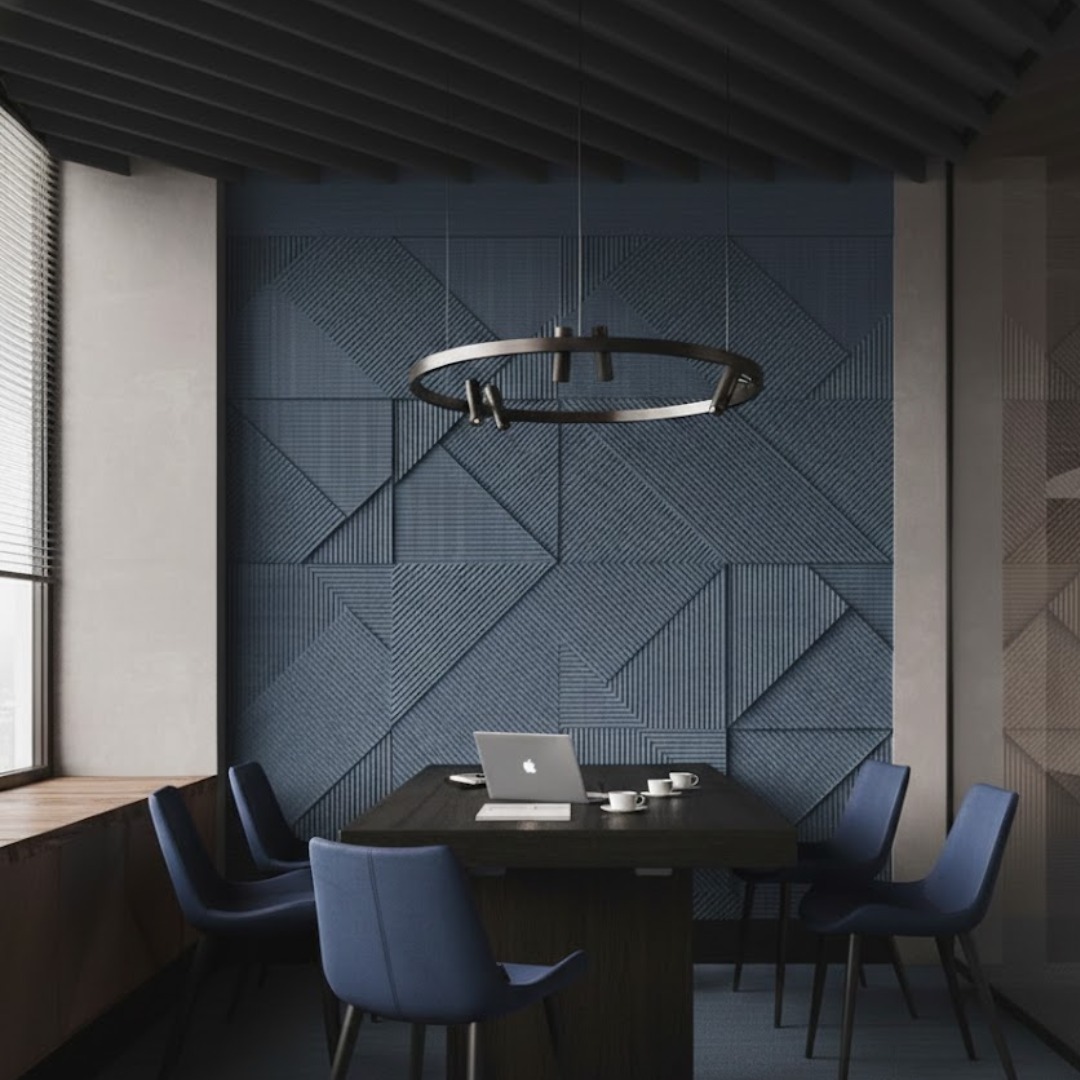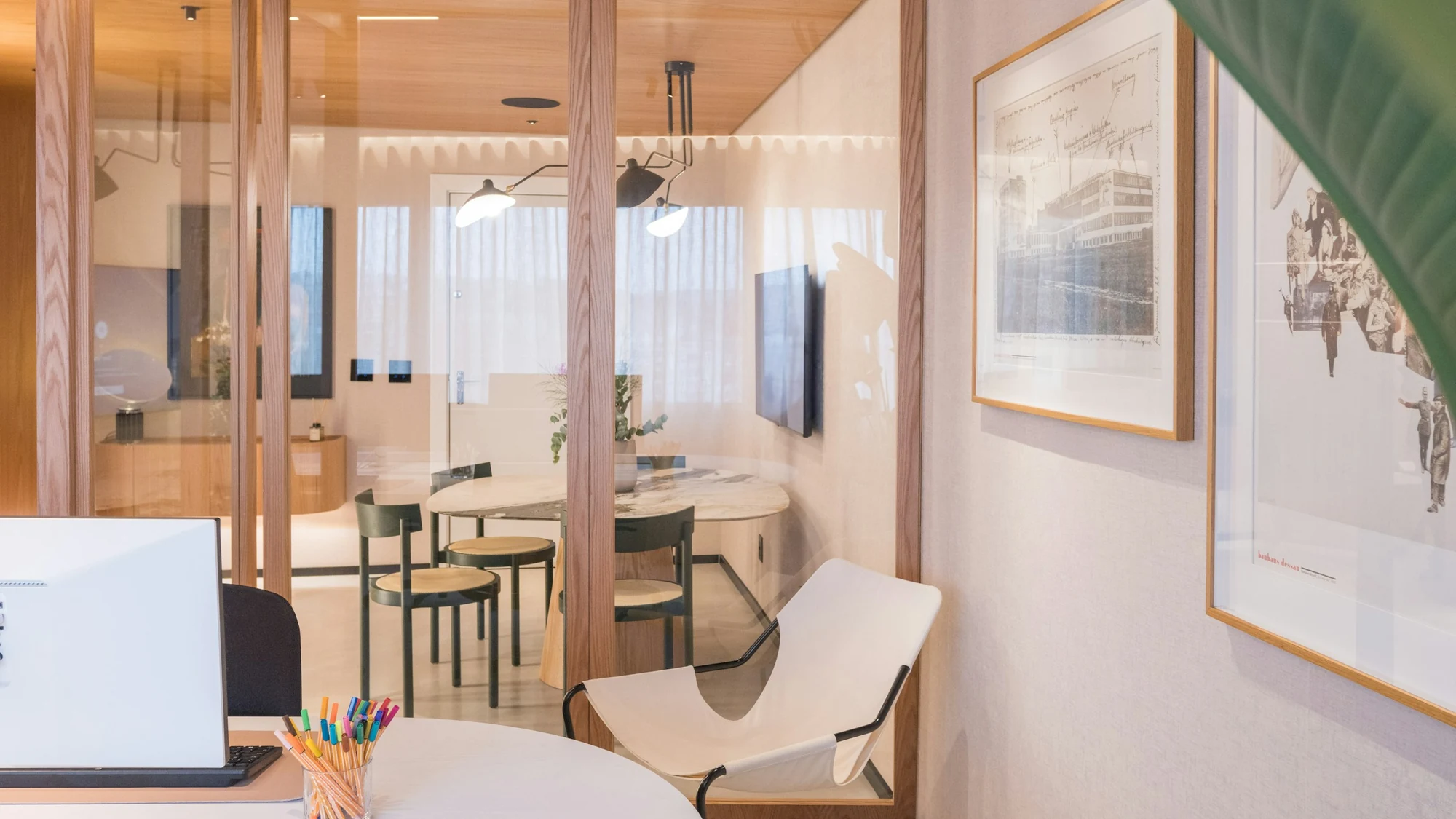
To fix meeting room acoustics for video calls, absorb sound on the ceiling above the table and on the wall behind the camera, put panels on any solid wall facing glass, and lay carpet. That stops the microphone picking up the room's echo, so remote participants hear voices clearly instead of a hollow, distant sound.
Meeting rooms used to be judged by how they looked to the people inside them. Now much of the audience is on the other end of a call, hearing the room through a microphone in the middle of the table. Microphones do not ignore echo the way our ears do, so a glass-walled room with hard surfaces above and below sounds hollow and far away to everyone dialling in. Better software and microphones help, but they cannot fully undo a reverberant room.
Meeting room acoustics at a glance
- Ceiling first: absorption above the table catches the strongest reflection.
- Camera wall: treat the screen wall, which every speaker faces.
- Glass walls: balance them with panels on the opposite solid wall.
- Floor: carpet removes chair and footstep noise near the microphone.
- Door and gaps: keep corridor noise out and confidential talk in.
Why do meeting rooms sound bad on video calls?
Because the microphone hears every reflection. In a small room with hard surfaces, sound bounces between table, ceiling, glass and floor and reaches the microphone many times within a few milliseconds. On the far end, that turns into a boxy, distant, echoey voice, and noise suppression starts clipping words as it fights the reverberation. Rooms with two parallel glass walls are the worst, because sound flutters between them.
Where do panels go in a video-call room?
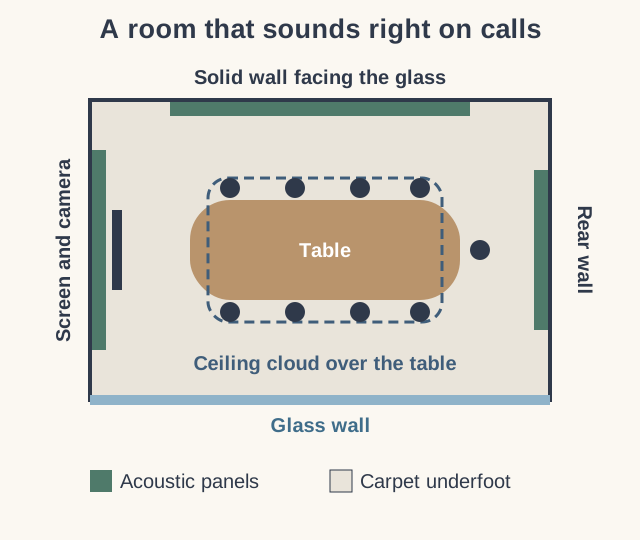
Start overhead, then work round the room at seated head height.
- Ceiling above the table: a cloud, baffles or an absorbent ceiling over the table catches sound rising from every speaker.
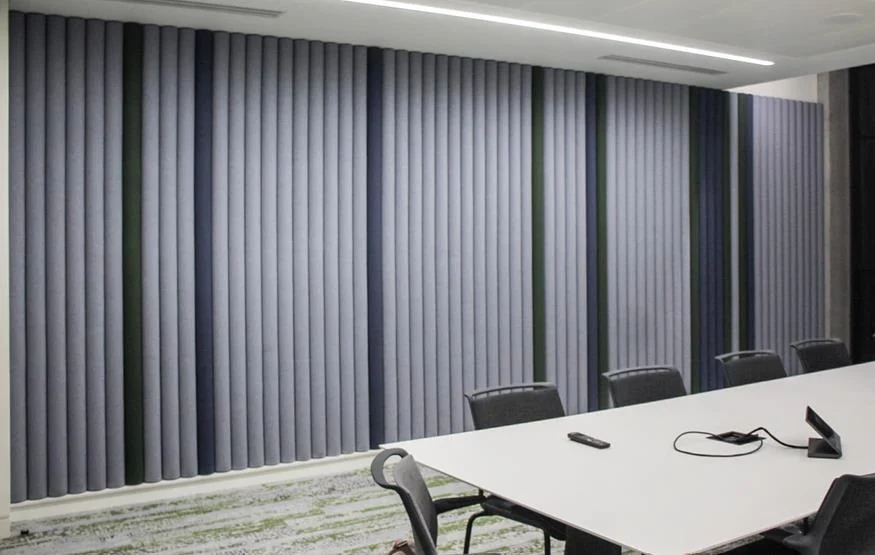
- Screen and camera wall: everyone speaks towards it, so it returns the strongest reflection to the microphone.
- Solid wall opposite a glass wall: breaks up flutter echo between parallel surfaces.
- Rear wall: the second surface people face, especially in long boardrooms.
Spread the panels rather than covering one wall entirely; the aim is to break up the reflections between every pair of facing surfaces.
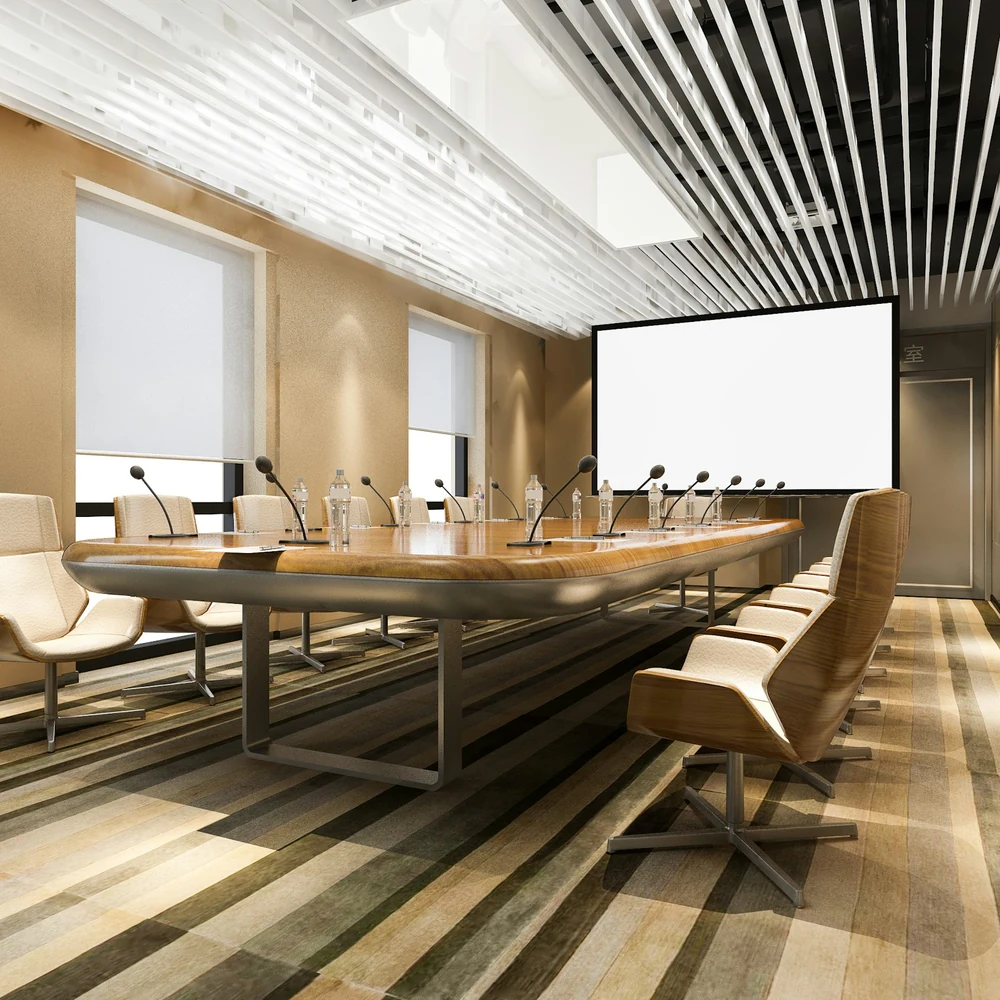
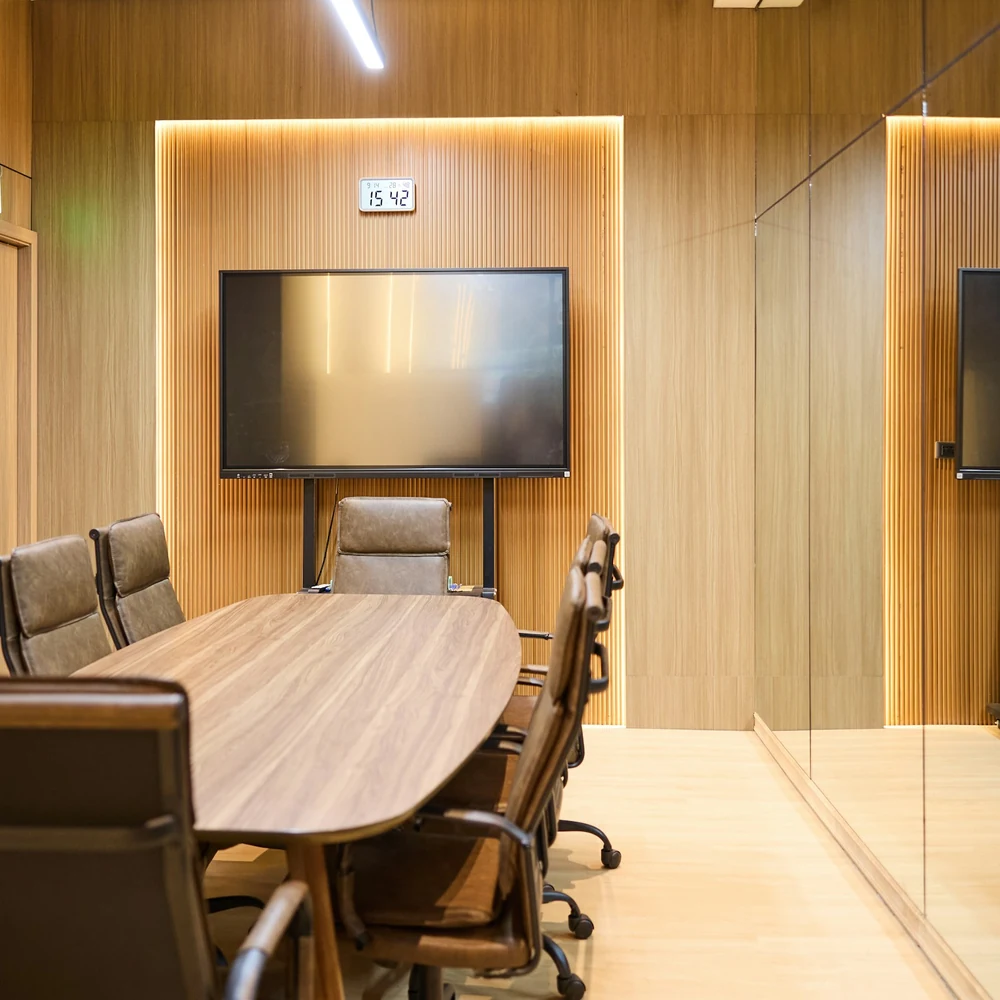
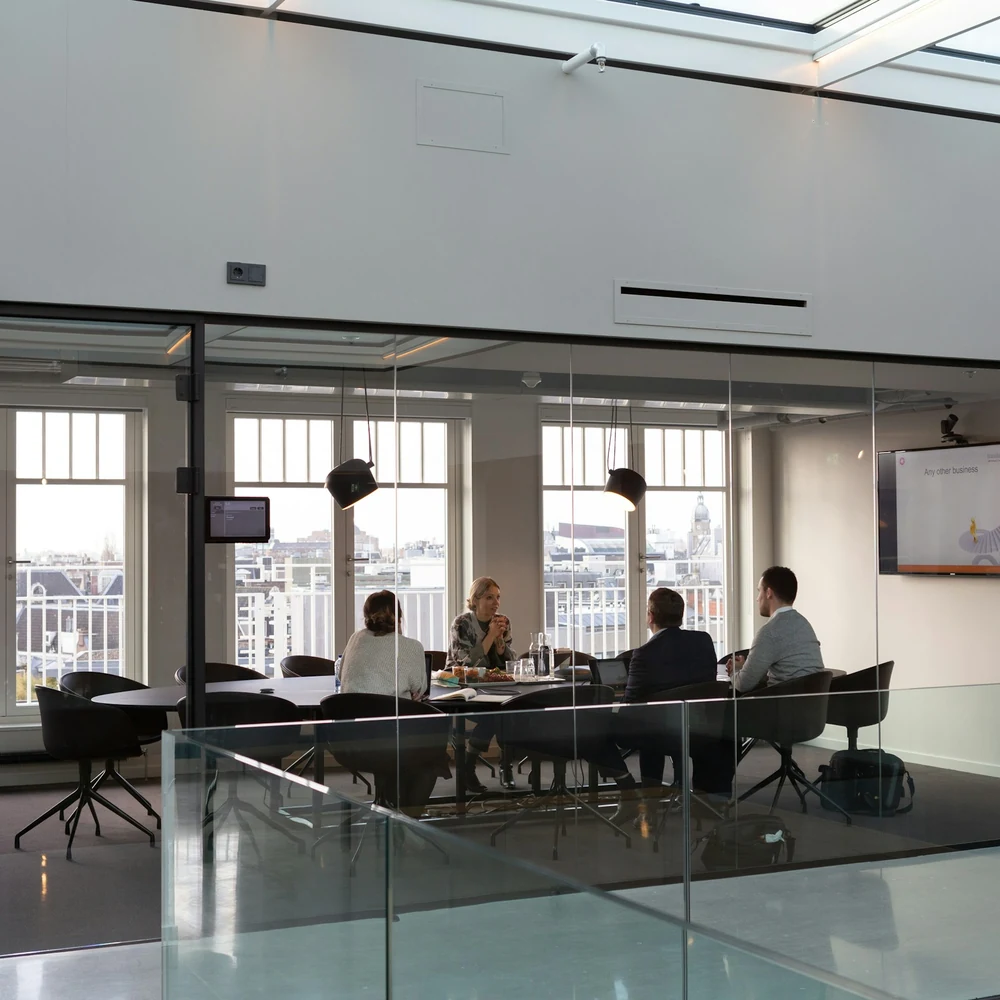
Slatted ceilings, timber walls and soft floors help a room sound right; glass-walled rooms need absorption on every solid surface they have.
What about glass-walled meeting rooms?
Treat every surface that is not glass. Glass reflects almost all sound and cannot take a fibre panel, so the ceiling, the solid walls and the floor have to do more of the work. A ceiling cloud over the table, panels on the remaining solid walls, carpet underfoot and fabric blinds that can be drawn during calls usually bring a glass box under control. Frame-mounted or freestanding panels can sit in front of glass where a wall is entirely glazed.
Does carpet help meeting room acoustics?
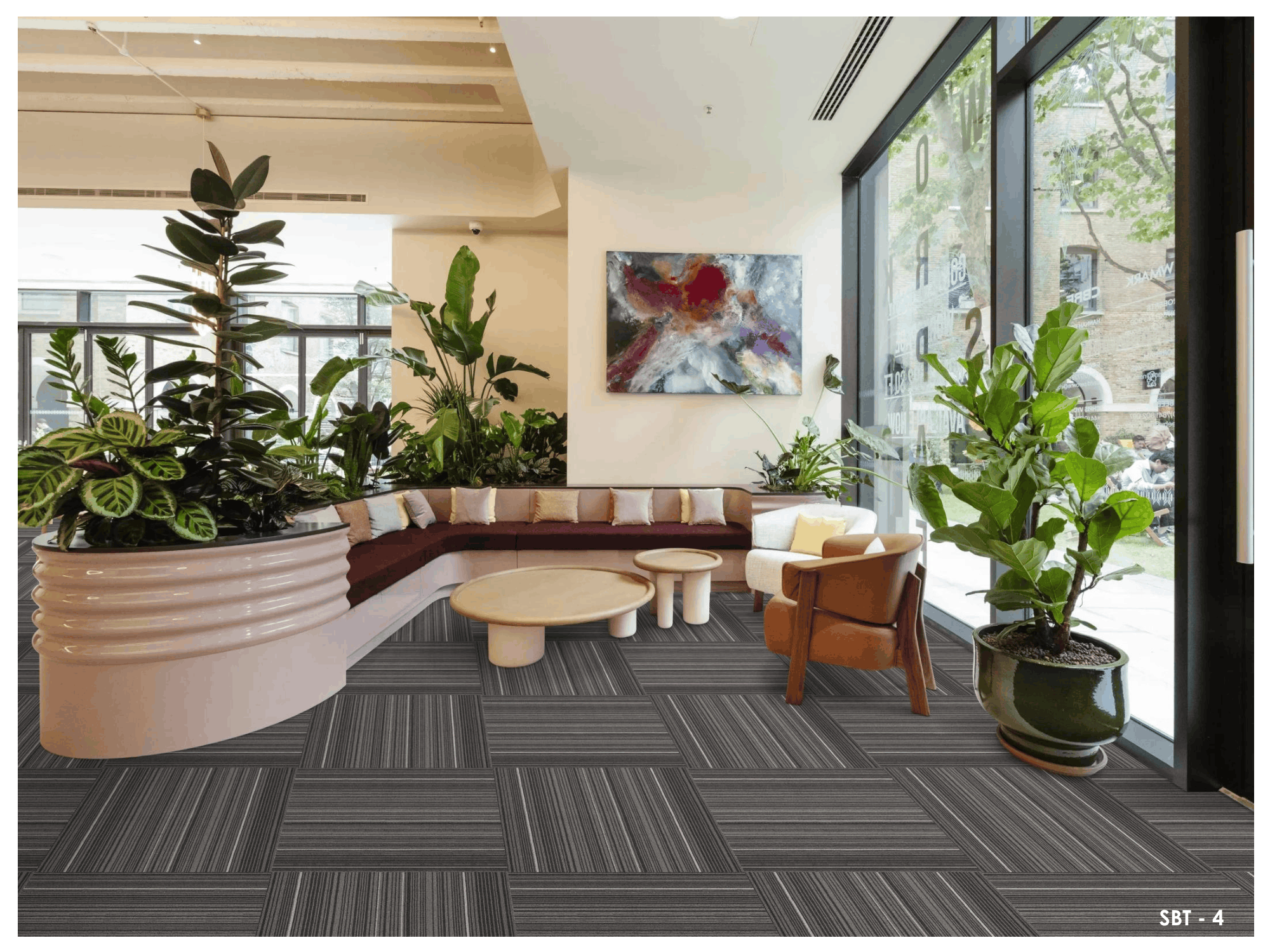
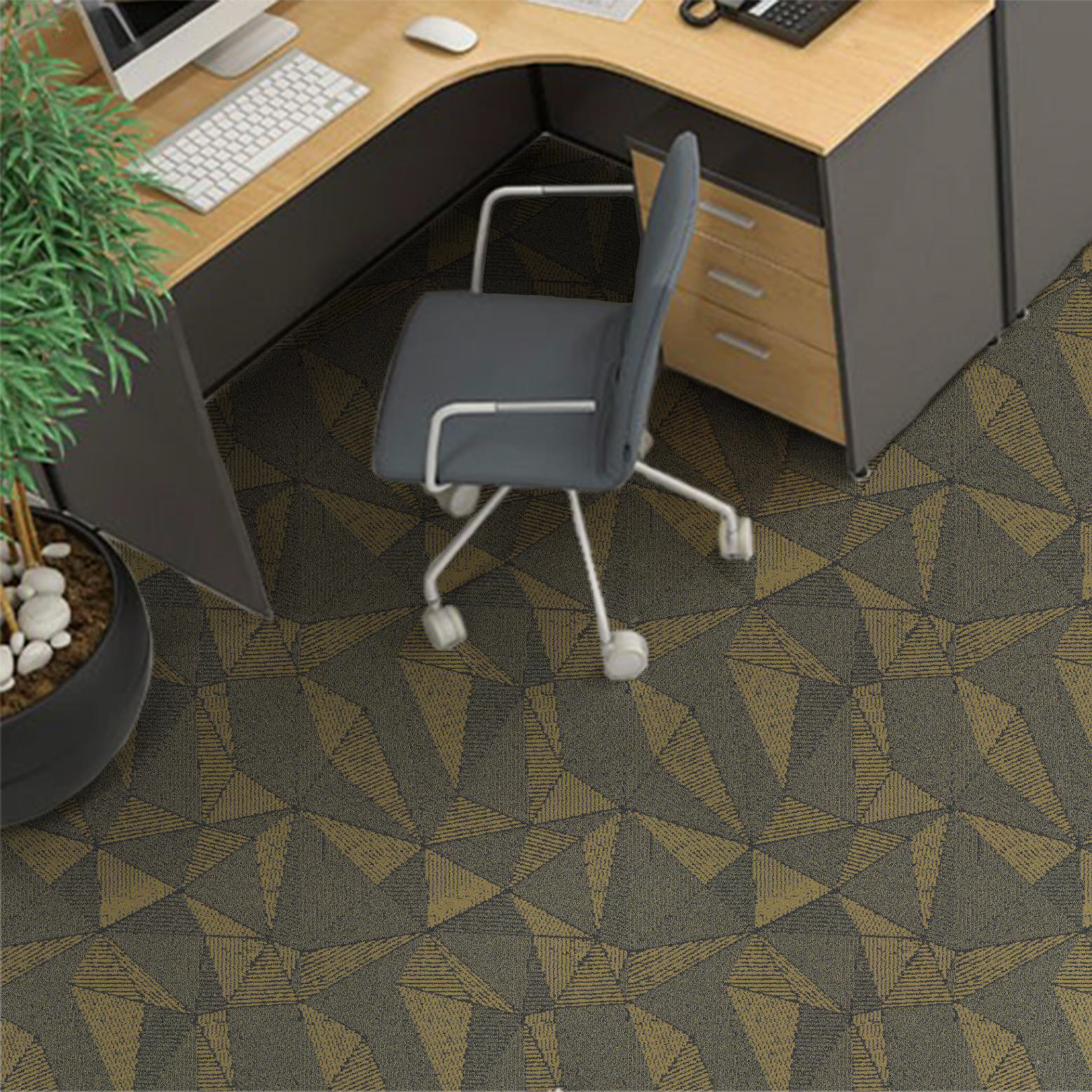
Yes, and close to the microphone it matters more than people expect. Chairs rolling and scraping, feet tapping and objects dropping on a hard floor are picked up clearly by table microphones. Carpet takes them out and removes one large reflecting surface from the room. Choose GAIA carpet tiles for meeting rooms where floor boxes and cabling need occasional access; for a boardroom that deserves a bespoke floor, consider GAIA broadloom.
How do you stop meetings being overheard?
Close the paths sound takes out of the room. Most leakage comes through the door, the void above a partition that ends at the suspended ceiling, and shared air-conditioning ducts. Seal the door on all sides, take partitions to the underside of the floor above or add a barrier in the ceiling void, and line any shared ducts. Panels inside the room help a little by lowering the overall level, but privacy is a construction matter; soundproofing vs sound absorption explains why.
Which acoustic panels suit meeting rooms?
Panels that double as a finish, since they appear on camera in every call. GAIA PET panels are available in plain colours, grooved patterns and printed designs, so the screen wall can carry the company's branding or a calm texture that looks good on video. When comparing products, ask for absorption tested to ASTM C423 in the mounting you will use. Ceiling clouds and baffles suit open ceilings, and our guide to the air gap behind panels explains how mounting affects absorption. Browse the GAIA acoustic range.
Meeting room acoustic checklist
- Absorption on the ceiling above the table.
- Panels on the screen and camera wall.
- Panels on the solid wall facing any glass wall.
- Carpet on the floor, with glides fitted to any hard-legged furniture.
- Blinds or curtains to close over the glass during calls.
- A sealed door and a partition carried up to the slab for confidential rooms.
- Quiet air-conditioning, with diffusers away from the table microphones.
What to send us
- length, width and ceiling height of each room;
- which walls are glass and which are solid;
- where the screen, camera and table microphones sit;
- photographs, and a recording of a test call if you have one.
Our team will plot panel and ceiling positions for each meeting room on your plan.
Meeting room questions
What does a typical video-call room need?
That varies with size and the amount of glass. A typical eight-seat room often needs a ceiling element over the table plus panels on two walls to sound clear on calls.
Will a better microphone fix an echoey room?
Partly. A good conferencing microphone and noise suppression help, but they work far better in a treated room, where there is less echo for them to fight.
Clear on every call
Fix the acoustics in your meeting rooms
Send GAIA by Sanson Floorings your meeting room layouts and photographs, and we will suggest panels, ceiling elements and flooring for clearer calls.