Yes. Artificial grass drains through holes or a permeable backing, but only as well as the base beneath it. On soil, lay a compacted, free-draining stone base; on terraces, make sure the slab falls to clear drains, and clear outlets before the monsoon. GAIA by Sanson Floorings can help.
Indian buyers ask about drainage more than almost anything else, and for good reason. A monsoon downpour can drop more rain in an hour than some climates see in a week, and a lawn that holds water becomes soggy, smelly and slippery, and wears out early. On a terrace, standing water under the grass can also stress the waterproofing beneath. Artificial grass handles heavy rain well when the whole system is planned for it. This article explains how drainage works, what goes wrong, and how to get it right on soil, terraces and balconies.
Artificial grass drainage at a glance
- Through the grass: water passes through drainage holes or a permeable backing.
- Into the base: on soil, a compacted stone base carries it away.
- Over the slab: on terraces and balconies, a fall leads it to the drains.
- Blockers: clay, flat slabs, blocked outlets and packed debris.
- Monsoon prep: clear outlets, edges and leaves before the rains.
How does artificial grass drain?
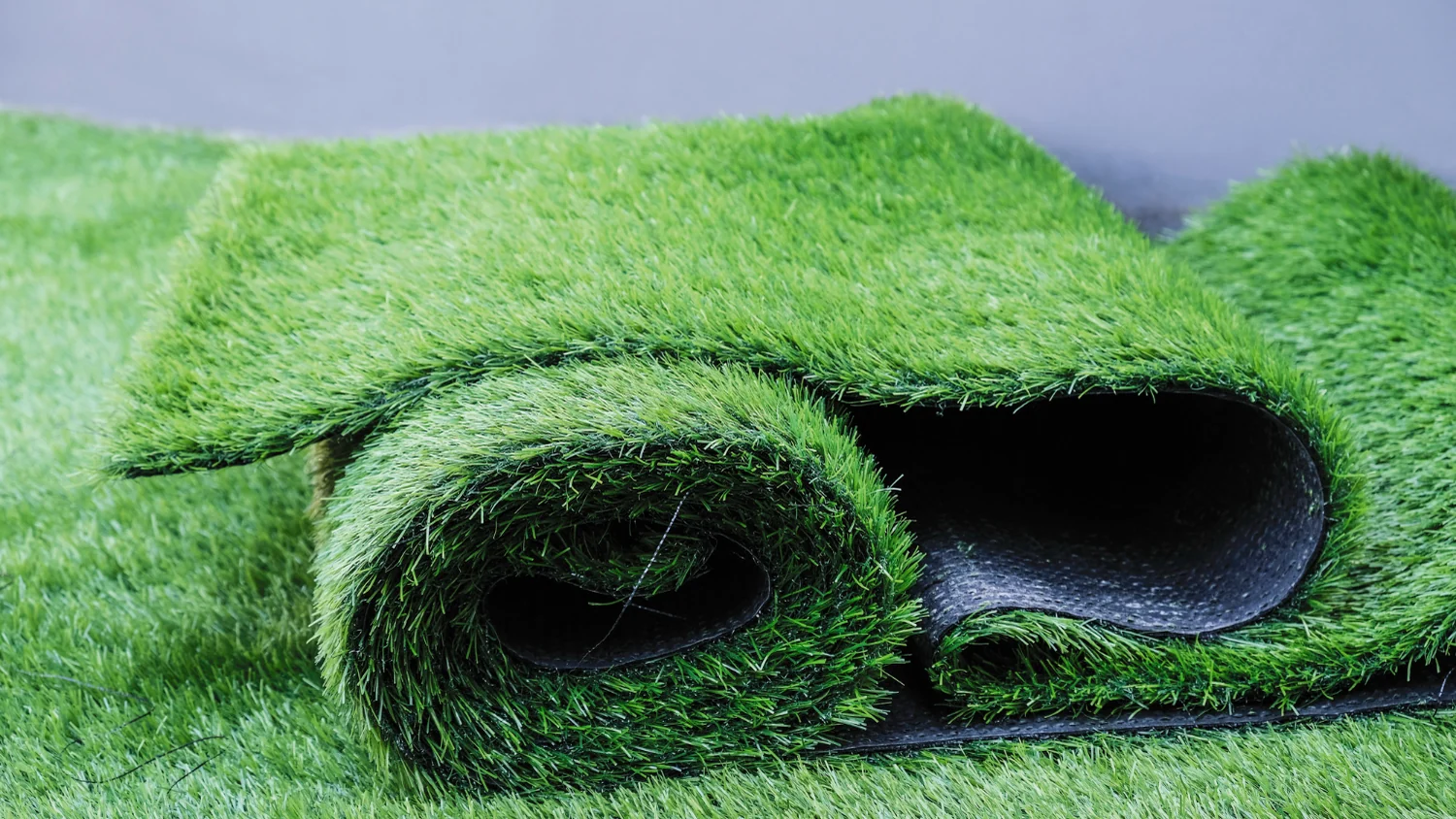
Through its backing. Rain falls through the fibres to the backing, which is either perforated with small drainage holes or made to be permeable, and passes into whatever lies below. From there, the base does the real work: a free-draining stone base on soil lets water soak away, and a sloped slab on a terrace carries it to the outlets. The grass cannot drain faster than the base allows, so a lawn laid on compacted clay or a flat roof with blocked outlets will hold water whatever grass is used. Sport England's outdoor surfaces guidance shows the same principle in sports surfaces: drainage is designed into the construction beneath the turf.
Does artificial grass work in the monsoon?
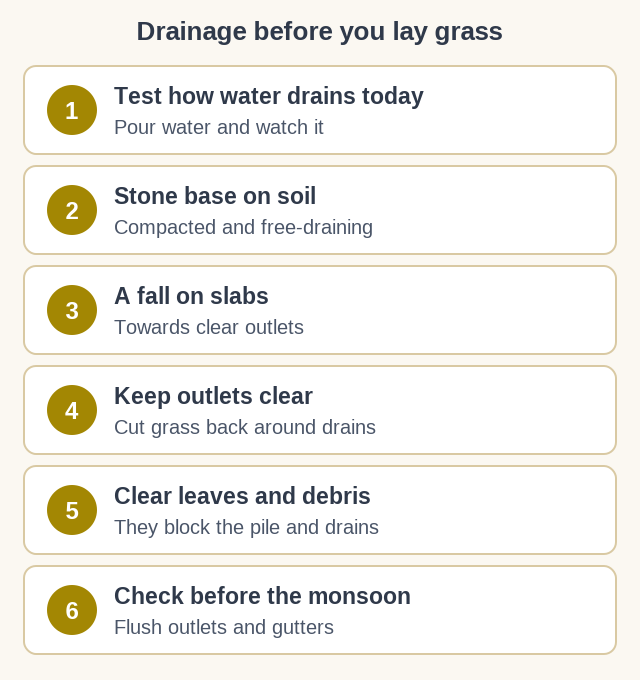
Yes, if the base can take heavy rain. In a garden, the base is typically a layer of compacted crushed stone with a fine levelling layer on top, laid over excavated ground with a gentle fall so excess water runs away from the house. On heavy clay soils, which drain slowly, a deeper base or a perforated drain pipe at the low edge may be needed. After a downpour, water should clear from the surface quickly; any puddle that lingers marks a low spot or a blocked path. The full sequence is in how to install artificial grass.
Can artificial grass be laid on a terrace without blocking drains?
Yes, with care. A terrace or balcony slab should already fall towards its rainwater outlets. Before laying, pour water on the slab and watch where it goes; correct any ponding before laying. Keep the grass back from outlets, or cut neat openings around them, so leaves and debris cannot block them, and never fix anything through the waterproofing. Lay the grass in pieces that can be lifted for inspection. Terraces are covered in depth in artificial grass on a terrace, and smaller spaces in balcony makeovers with artificial grass.
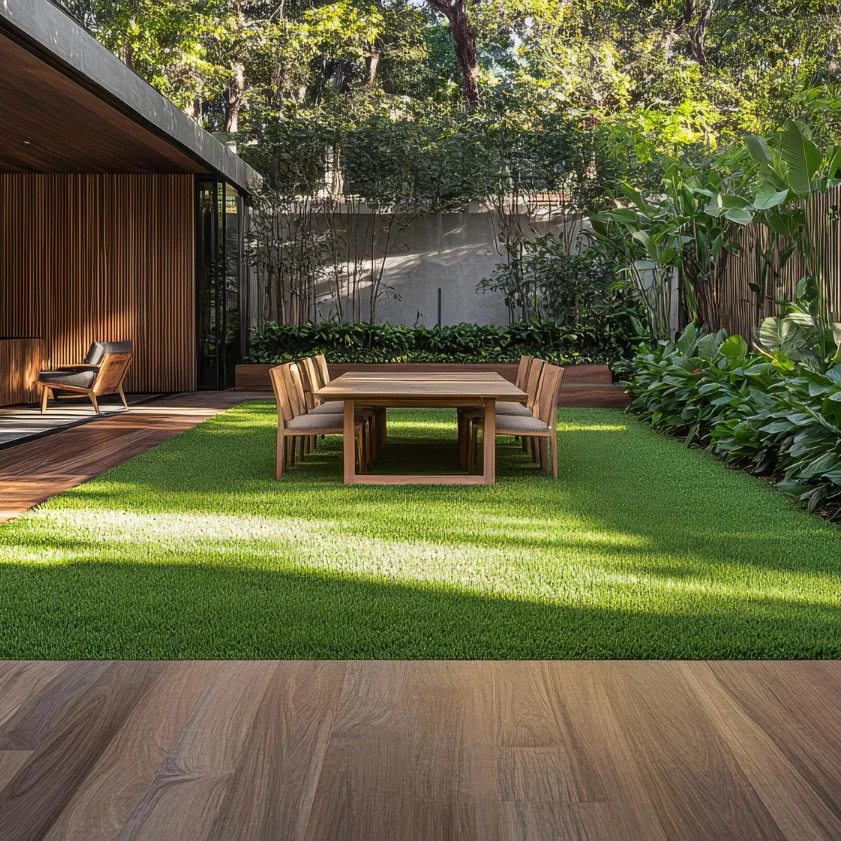
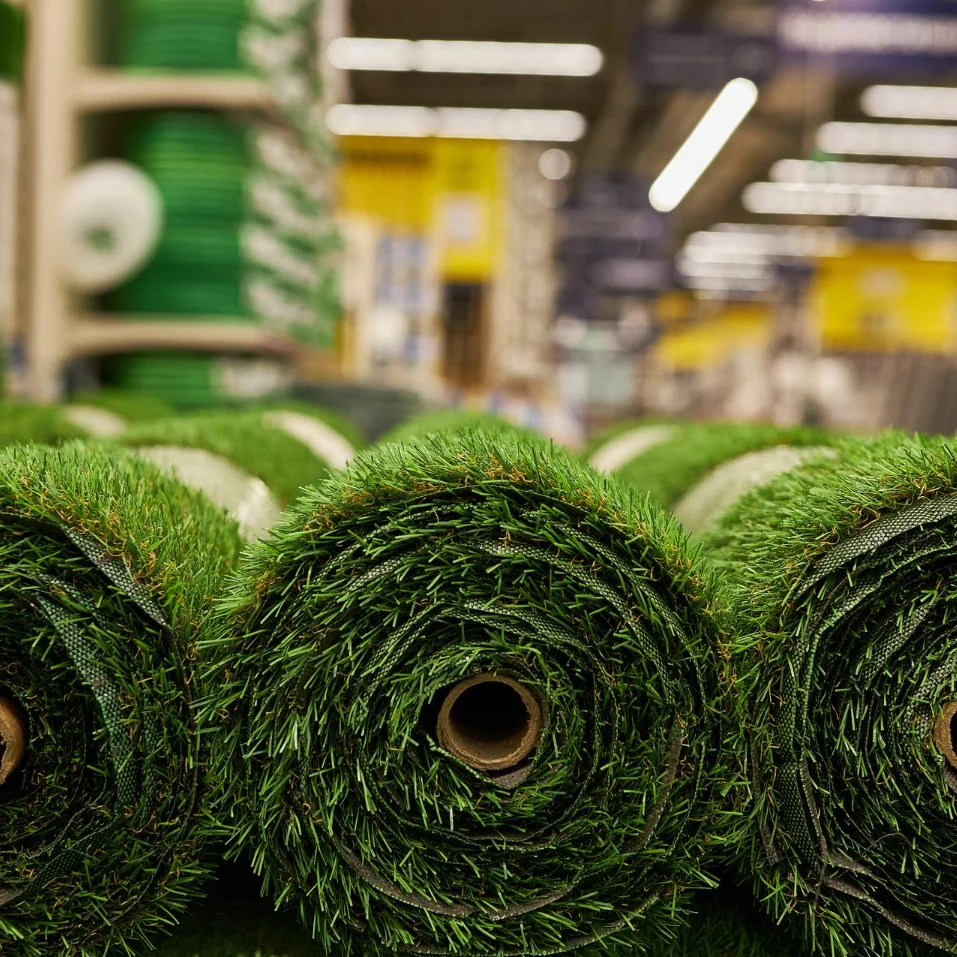
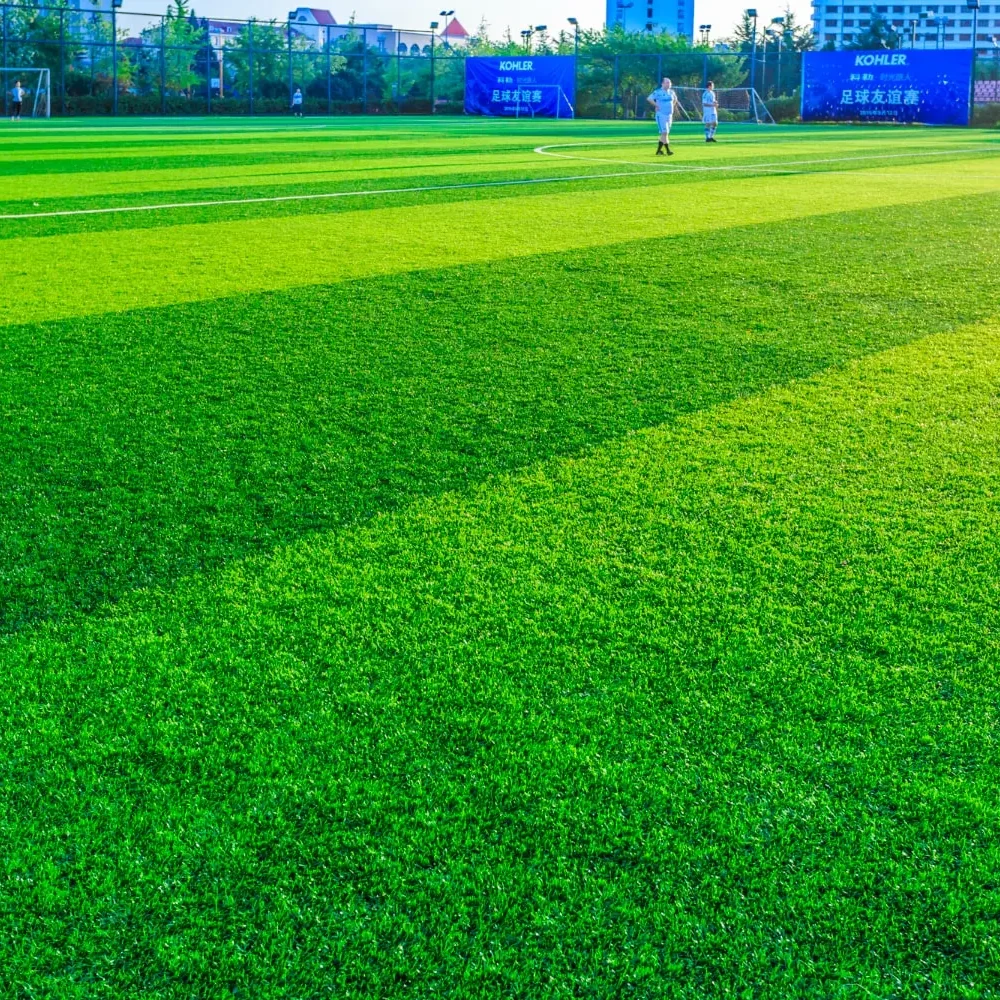
The backing lets water through; the base and falls beneath decide how fast it leaves.
Why is water pooling on my artificial grass?
Usually because of the base, not the grass. Common causes are a low spot in the base, a slab without enough fall, compacted soil that will not absorb water, blocked outlets or gutters, and a layer of dust, silt or leaves packed into the pile. Start with the simple checks: clear the surface, flush the outlets and see whether the water moves. If it still sits in one area, the base there needs lifting and re-levelling. On rooftops, standing water should be fixed quickly to protect the waterproofing.
How do you keep artificial grass draining well?
Keep the surface and the outlets clear. Remove leaves and litter regularly, rinse off dust that settles into the pile, and brush the fibres upright. Check drains, gutters and outlets each season, and especially before the monsoon. For pet areas, rinse often so urine flushes through. The Synthetic Turf Council's guidelines treat routine upkeep as part of every artificial turf system. A simple routine is in how to clean artificial grass. GAIA Landscape Grass comes in nine heights from 20 to 60 mm and is shown under GAIA Landscape Grass.
What to send us
- the area and what is underneath: soil, concrete, tiles or a roof slab;
- where water drains today, with outlets marked;
- photographs after rain, if any water pools;
- how the space will be used.
Our team will check your base and recommend how to lay the grass.
Artificial grass drainage questions
Can artificial grass flood?
The grass lets water through, but if the base or drains cannot carry it away, water will sit on top. A well-built base and clear outlets prevent it.
Do I need drainage holes in artificial grass?
The grass should have a perforated or permeable backing. Check this before buying, and make sure the base can drain.
Does artificial grass on a balcony cause leaks?
Not if the waterproofing is sound, the slab falls to the drain, outlets stay clear and nothing is fixed through the waterproofing.
Does artificial grass need a slope to drain?
On a slab, yes: the surface should fall gently to the outlets. On soil, the stone base lets water soak through, but a slight fall away from buildings still helps in heavy rain.
Will artificial grass drain on clay soil?
Clay drains slowly, so build a deeper stone base and consider a perforated drain pipe along the low edge to carry water away.
Ready for the rains
Plan a lawn that drains
Send GAIA by Sanson Floorings photographs of your space and where water drains, and we will recommend the grass and base.