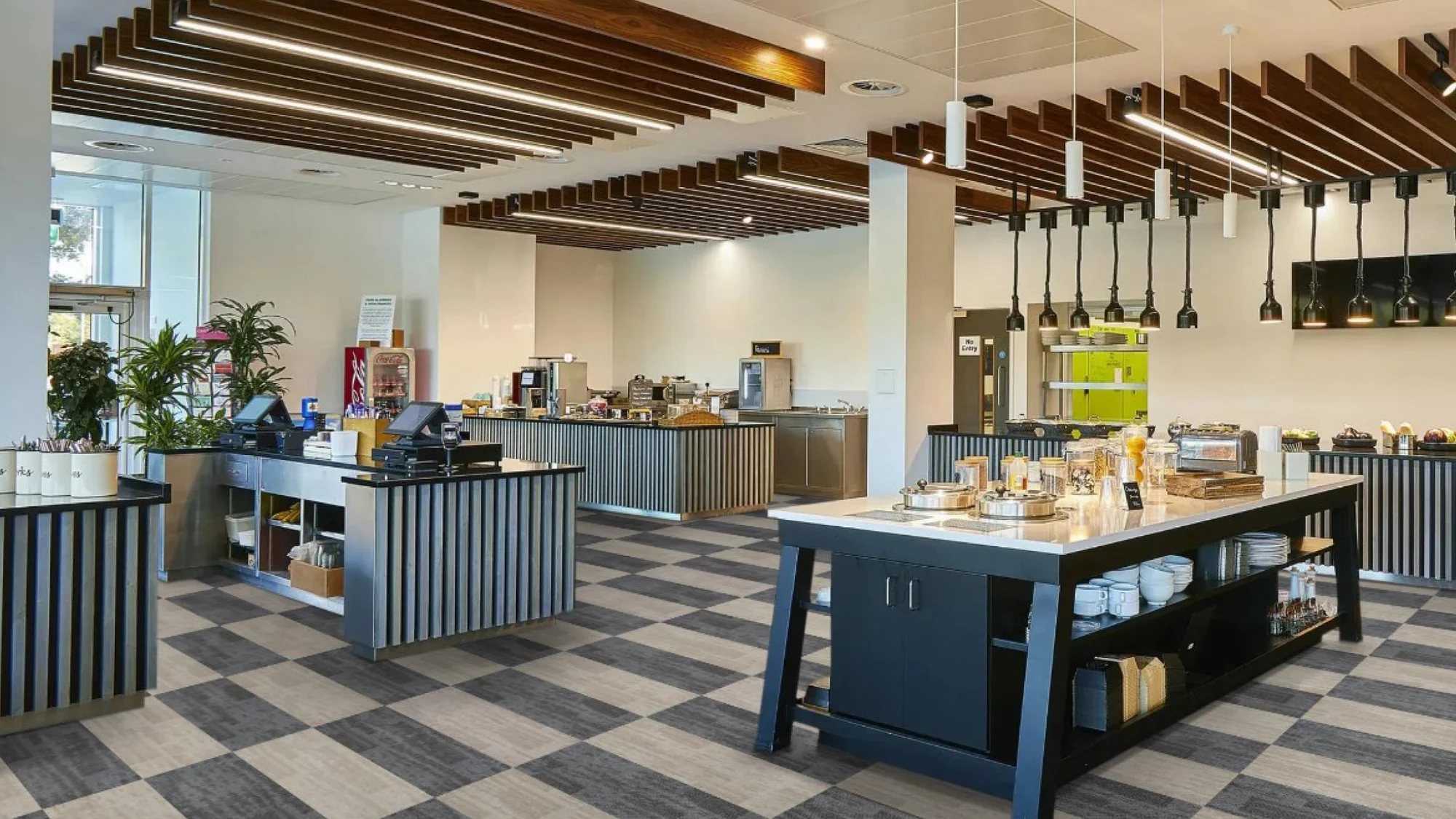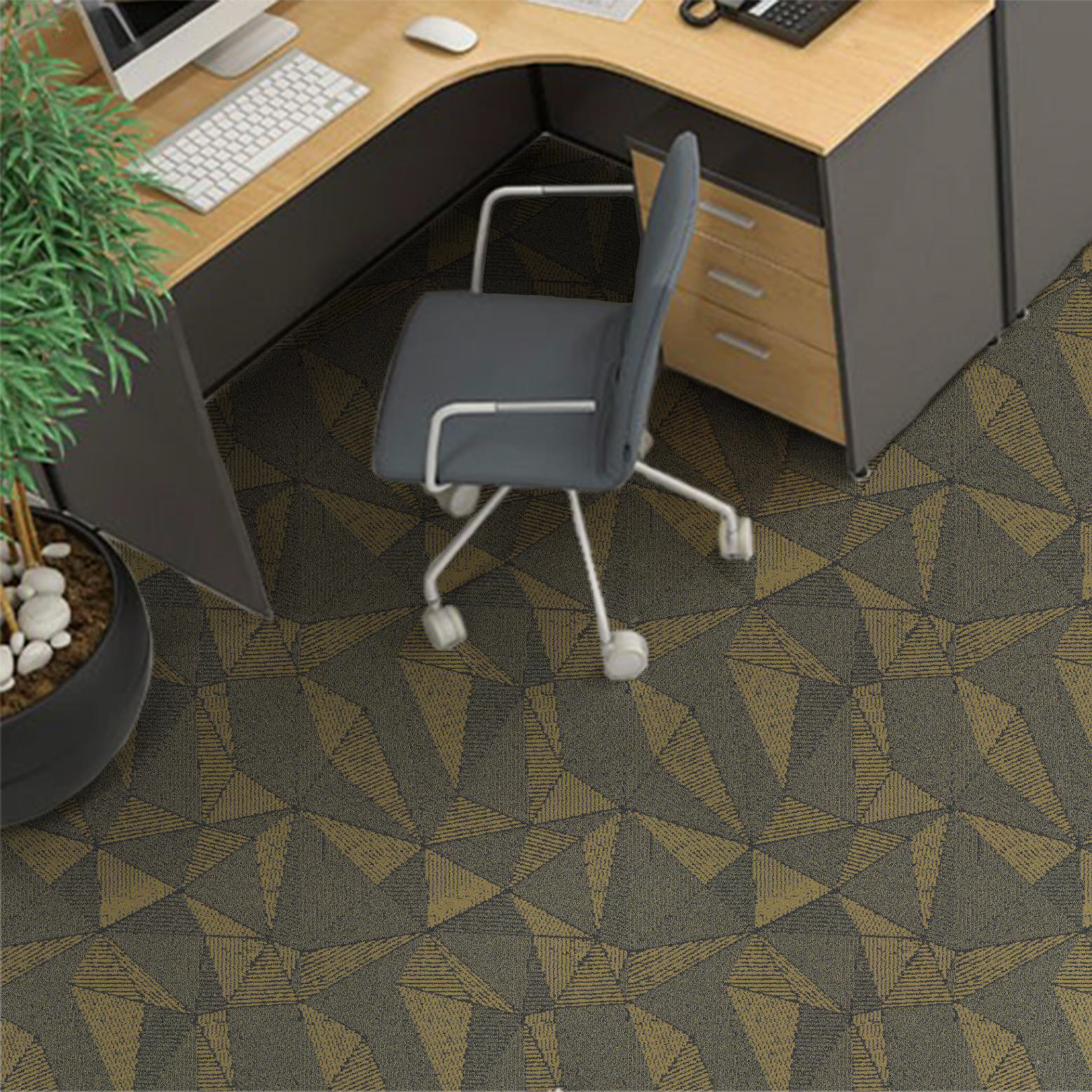
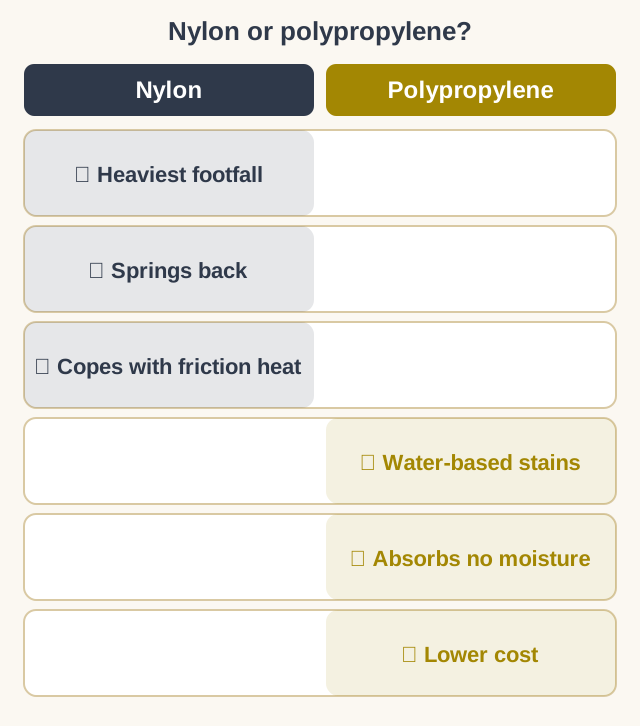
Choose nylon carpet tiles for the busiest floors, because nylon springs back after crushing and keeps its look longest. Choose polypropylene, also called olefin, for moderate traffic: it shrugs off water-based stains, absorbs no moisture and costs less. GAIA by Sanson Floorings makes tiles and planks in both yarns.
Yarn is the single biggest decision on a carpet tile after colour, and it is often made on price alone. That works until the main corridor starts to look tired a year after handover, or until a café spill leaves a mark that will not lift. Nylon and polypropylene behave differently under feet, chairs, spills and cleaning, and each is the better choice somewhere. The right answer usually varies across a building: one yarn for the reception and main routes, another for cabins, meeting rooms and quieter floors.
Nylon vs polypropylene at a glance
- Nylon: the most resilient carpet fibre; best for heavy footfall and chair castors.
- Polypropylene (olefin): water-resistant and stain-resistant, at a lower cost.
- Heat: polypropylene softens at a lower temperature, so dragged furniture can mark it.
- Colour: polypropylene is usually coloured in the melt, so the colour runs right through the fibre.
- Mixing: both can be used on one project, zone by zone.
What is the difference between nylon and polypropylene carpet?
They are different polymers with different strengths. Nylon is a polyamide: a tough, elastic fibre that recovers its shape after being compressed, which is why it has long been the standard for airports, offices and hotels. Polypropylene is a polyolefin, sold in carpet as olefin: lighter, cheaper, highly resistant to water and many stains, but less springy. The US National Institutes of Health facilities team puts it plainly in its carpet fundamentals bulletin: nylon offers strength, durability, resilience and stain resistance, while thermoplastic fibres such as polypropylene have good stain resistance and texture retention but are not as strong or resilient as nylon, and usually cost less.
Which lasts longer in heavy traffic?
Nylon. Heavy footfall and chair castors flatten the pile of any carpet, and what matters is whether it recovers. Nylon fibres spring back, so traffic lanes stay less visible for longer. Polypropylene fibres flatten more readily, which shows first in the routes people walk most: from the lift to the workstations, past the pantry, through a hotel corridor. The construction matters too. A heavier pile weight on a finer gauge improves wear in either yarn, as explained in how to read a carpet tile specification.
Which is easier to clean?
Polypropylene, for most everyday spills. It absorbs almost no water, so tea, juice and other water-based spills sit on the fibre rather than soaking into it, and its colour is normally added when the fibre is made, so it is hard to fade with cleaning. Oily soiling is its weak spot, because polypropylene attracts oil. Nylon is more absorbent but is usually treated against stains, and it cleans well with the right products. Either yarn lasts longer with regular vacuuming and prompt spot cleaning; the Carpet and Rug Institute's commercial cleaning guidance and our article on cleaning carpet tiles set out a routine.
Is polypropylene carpet good for Indian conditions?
In the right places, very. Polypropylene does not absorb moisture, so it copes well with humid cities and monsoon months, and its stain resistance suits schools, training rooms and hospitality spaces with steady but not punishing traffic. Its lower softening point is the caution: furniture dragged across it, or a heavy chair spun on one spot, can leave a shiny mark. Chair mats under task chairs and felt pads under furniture prevent most of that.
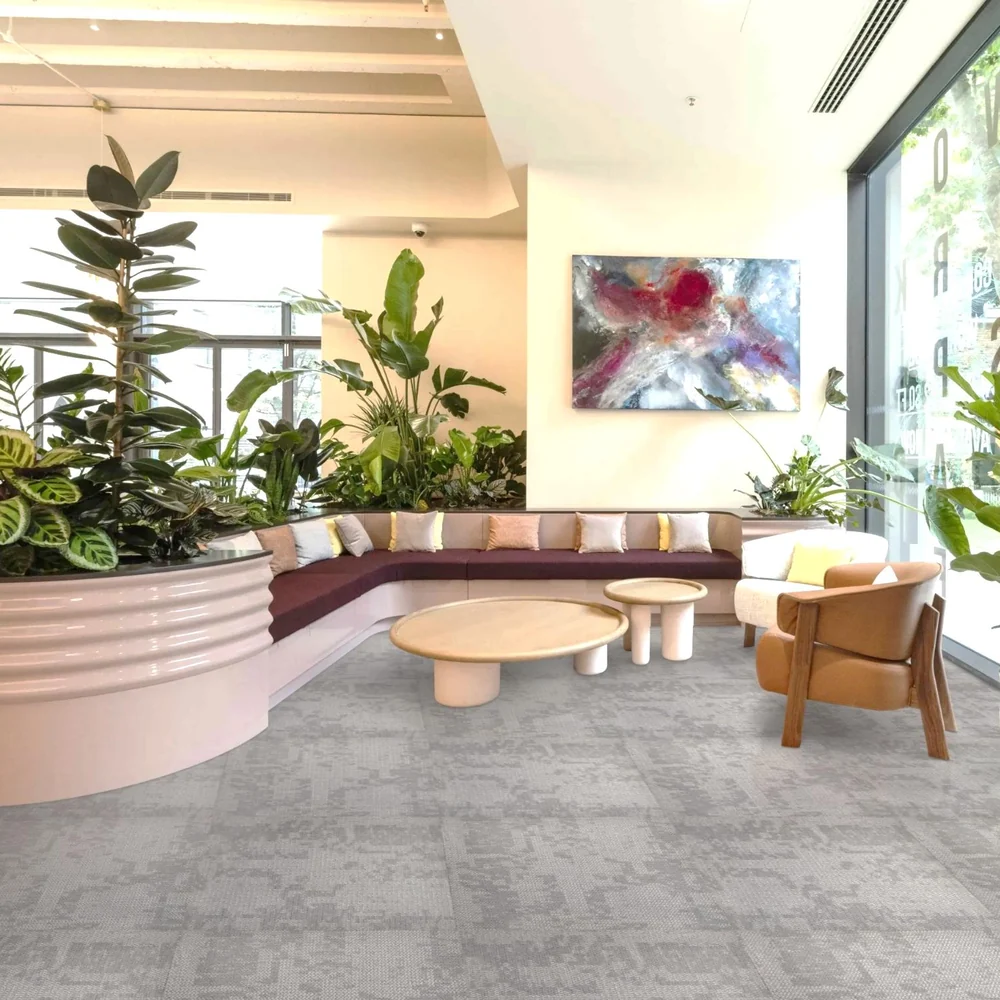
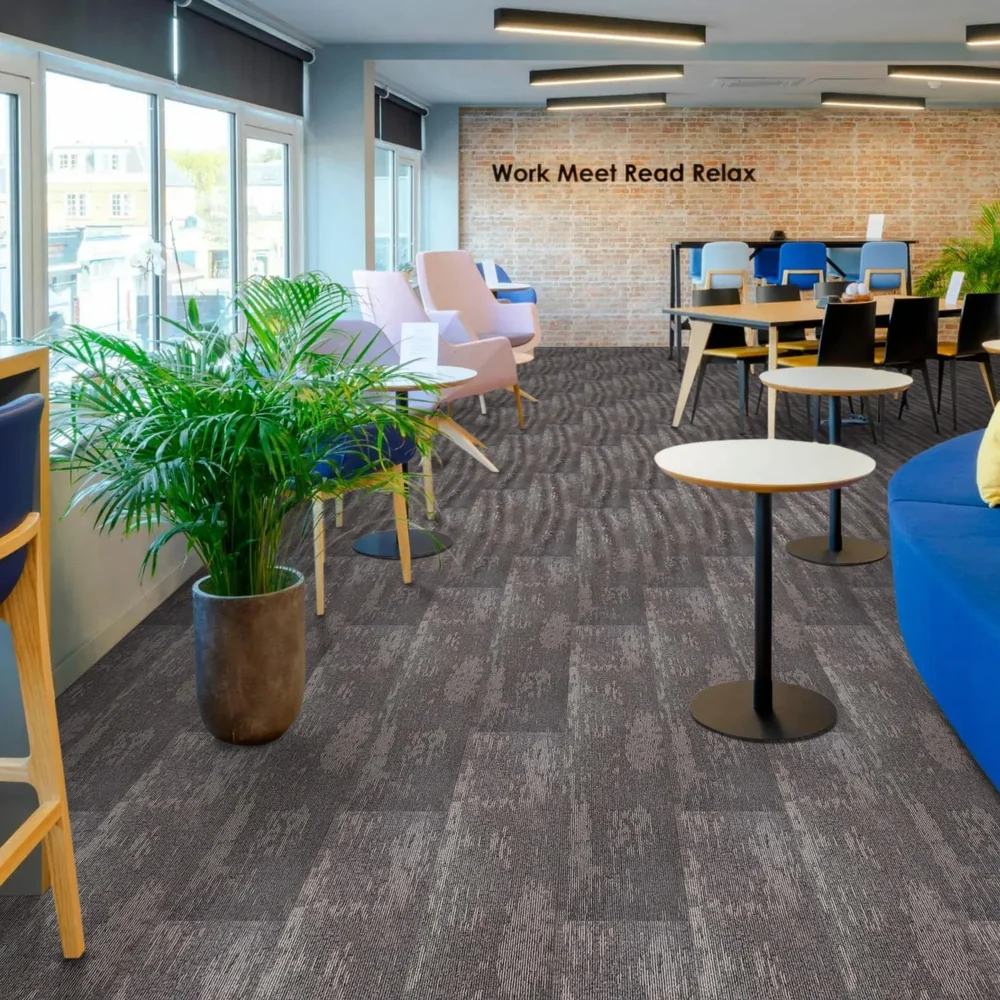
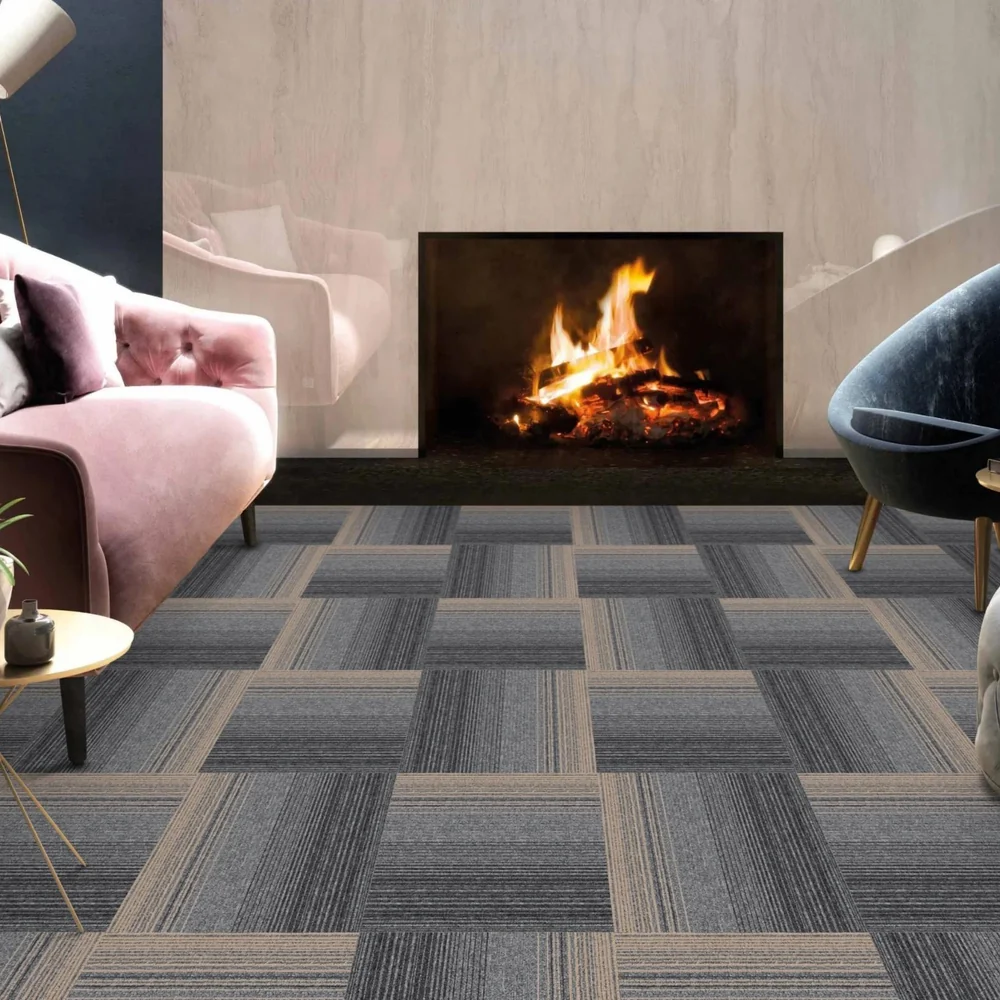
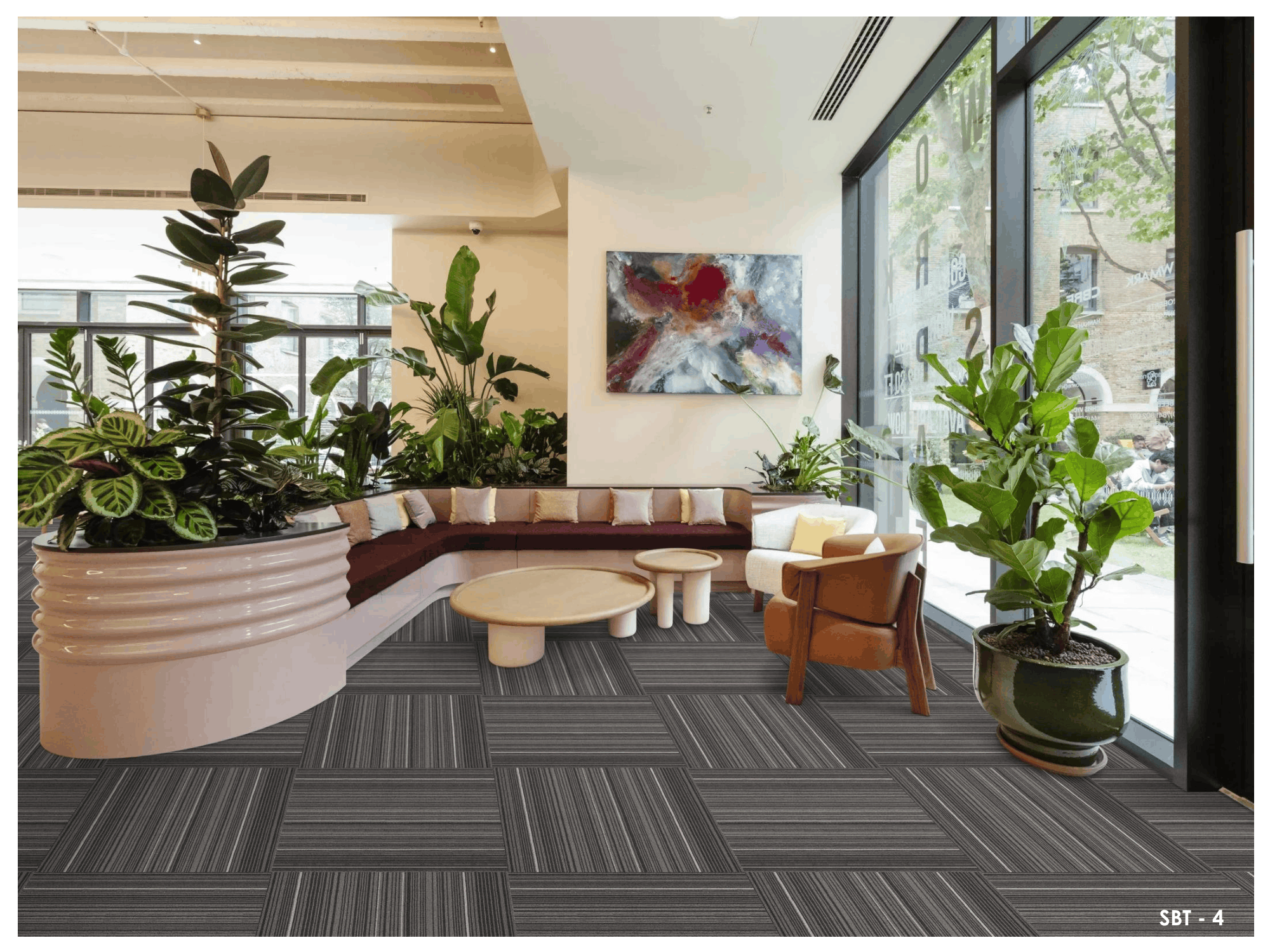
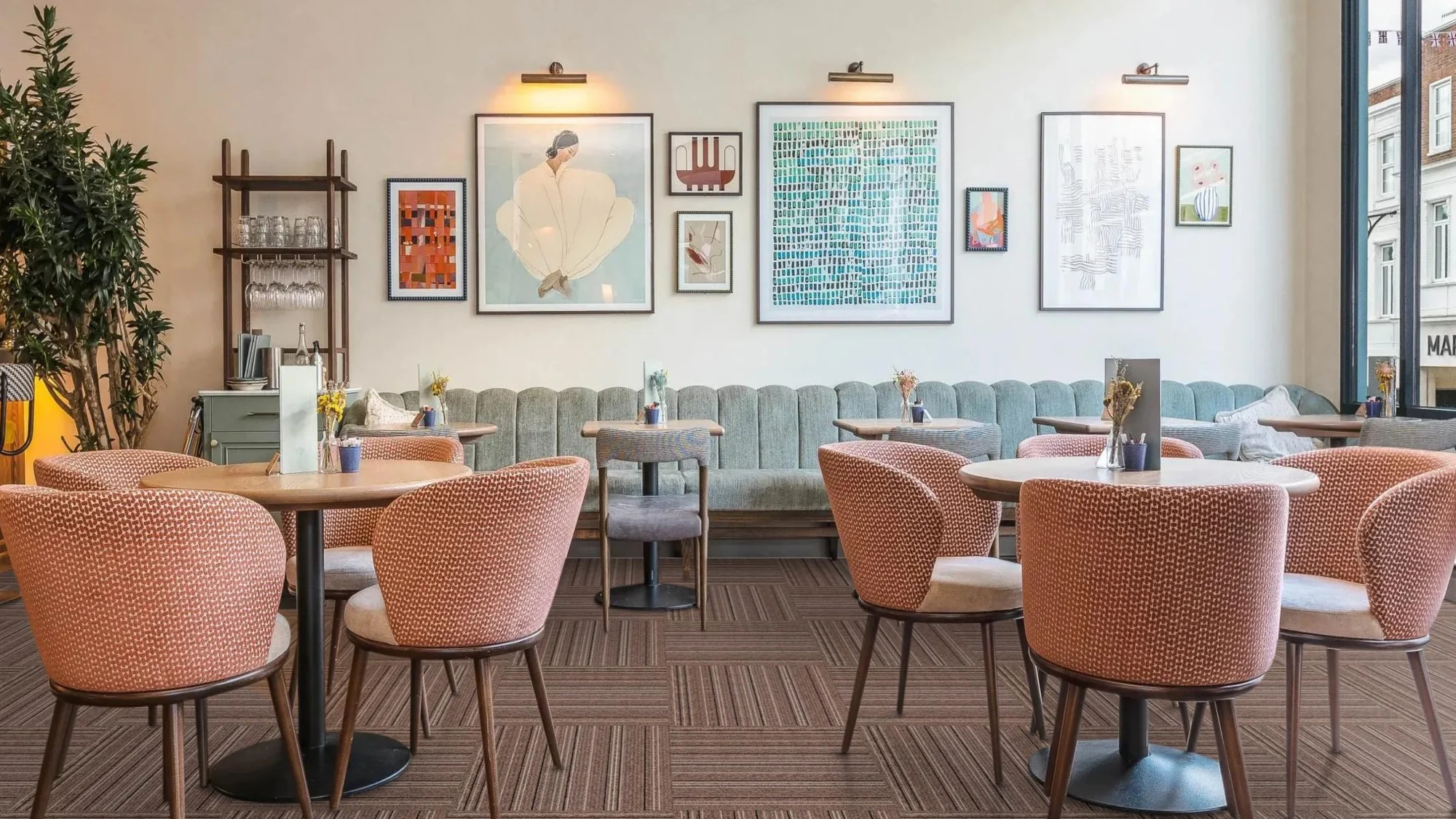
GAIA Shining Glow, Salt and Trends, all tufted in olefin, suit lounges, breakout areas and hospitality spaces.
Which GAIA collections use which yarn?
Most GAIA collections are tufted in olefin with a bitumen backing, including the Gridwork, Nevada, Trends, Rhythm and Shining Glow tiles and the Miami, Salt and Plateau planks. GAIA also makes nylon tiles and planks for the most demanding floors. Both yarns hold GreenPro certification, issued to Sanson Floorings LLP for its Hyderabad, Telangana plant and valid until December 2027: Bitumen PP Carpet Tiles (GPSFP576011), Bitumen PP Carpet Plank (GPSFP576012), Bitumen Nylon Tiles Eco Back (GPSFP576007) and Bitumen Nylon Carpet Plank (GPSFP576008). The collections are shown under GAIA carpet tiles.
Can you mix nylon and polypropylene on one project?
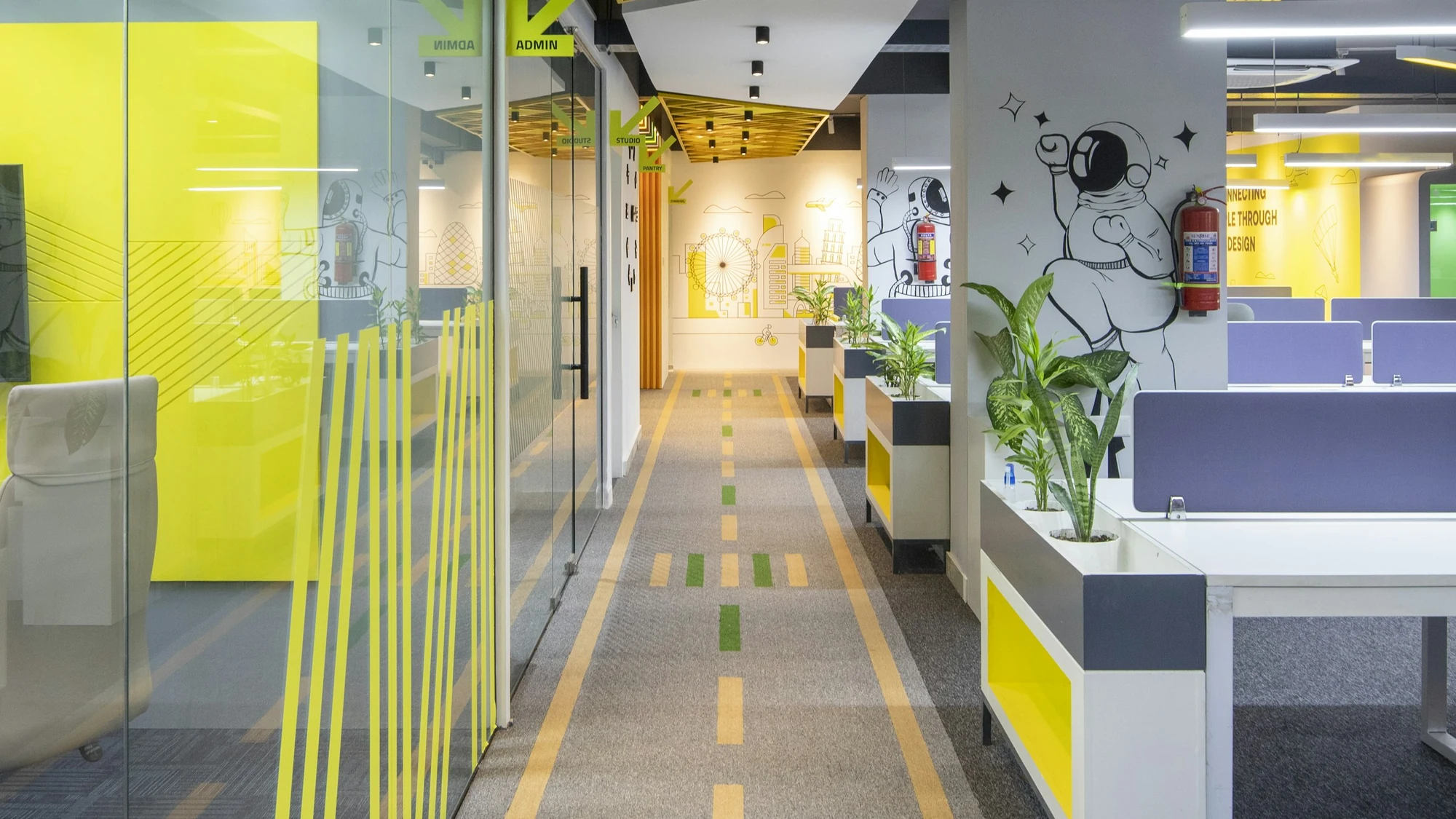
Yes, and it is often the best use of budget. Put nylon on the routes that take the most traffic, such as receptions, main corridors and open-plan circulation, and polypropylene in cabins, meeting rooms, training rooms and quieter floors. Keep the same tile size and a similar height where the two meet, so the junction is flat, and choose colours that read as one scheme. If you are weighing carpet against hard flooring for the same spaces, see carpet tiles compared with vinyl.
Yarn choice checklist
- Mark the heaviest traffic routes on the plan.
- Specify nylon there, polypropylene in lower-traffic rooms.
- Plan chair mats or hard castors where chairs spin and roll.
- Check both yarns' certificates name the product type you are buying.
- Order spare tiles of each, from the same batch.
What to send us
- floor plans showing the busiest routes;
- how each area is used and cleaned;
- your budget range for the floor;
- any colours or patterns you have shortlisted.
Our team will recommend the yarn and construction for each zone.
Nylon vs polypropylene questions
Is polypropylene carpet cheaper than nylon?
Generally, yes. Polypropylene costs less to make, which is why it is widely used for offices, schools and hospitality spaces with moderate traffic.
Is nylon carpet worth the extra cost?
On the busiest floors, usually. Nylon recovers from crushing, so traffic lanes stay less visible and the floor looks newer for longer before tiles need replacing.
Is olefin the same as polypropylene?
Yes. Olefin is the name used in the carpet trade for polypropylene fibre.
Does polypropylene carpet fade in sunlight?
Its colour is usually added when the fibre is made, which helps it resist fading from cleaning. For floors in strong, direct sun, ask for colourfastness to light test results.
The right yarn for every zone
Choose your carpet tile yarn
Send GAIA by Sanson Floorings your floor plan and how each area is used, and we will recommend nylon or polypropylene tiles for every zone.