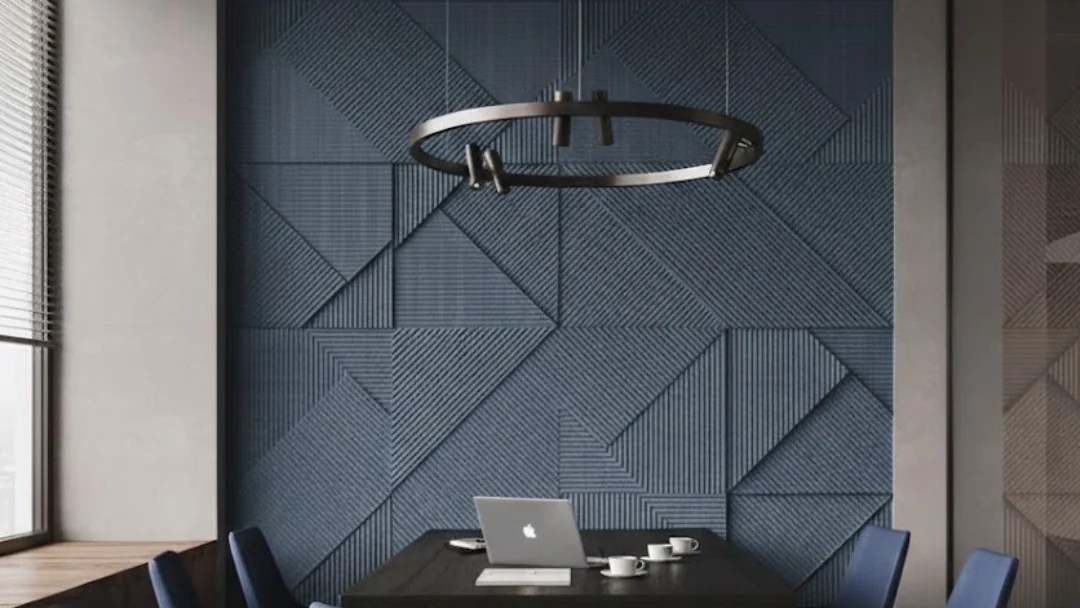
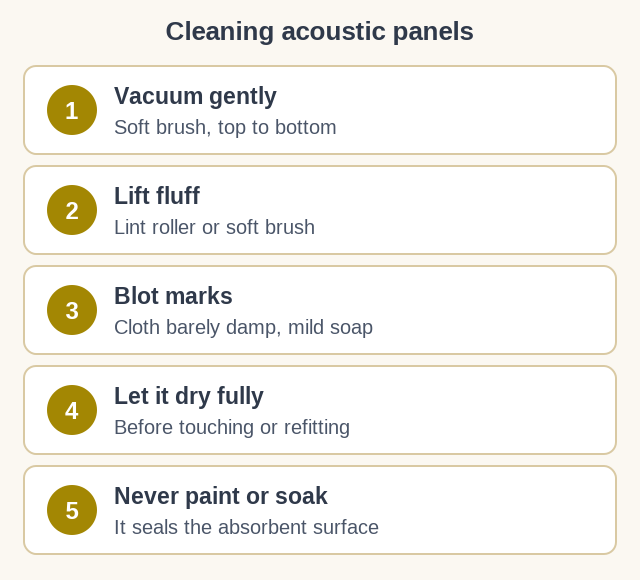
To clean acoustic panels, vacuum them gently with a soft brush every few months, lift fluff with a lint roller, and blot marks with a cloth barely damp with mild soapy water. Never paint, soak or use solvents. PET panels from GAIA by Sanson Floorings resist moisture and mould.
Acoustic panels sit on walls and ceilings for years, and they gather what every surface gathers: dust, especially in Indian cities; finger marks in corridors and meeting rooms; the occasional splash of tea or ink. Because they are soft, porous surfaces, the cleaning methods used on painted walls can damage them or reduce how well they absorb sound. A light, regular routine keeps them looking good and working as designed. This article sets out that routine, how to deal with stains, and what never to do.
Cleaning acoustic panels at a glance
- Dust: vacuum with a soft brush attachment, working top to bottom.
- Fluff and hair: a lint roller or a soft clothes brush.
- Marks: blot with a cloth barely damp with mild soapy water.
- Never: paint, soak, steam, scrub hard or use solvents and bleach.
- Prevention: keep panels away from splashes and greasy cooking fumes.
How often should acoustic panels be cleaned?
A light dusting every few months suits most offices and homes; busier or dustier spaces need it more often. Panels near entrances, in classrooms and in rooms with open windows during dusty months collect more. Ceiling panels and baffles gather less handling but more airborne dust, especially near supply-air grilles. Add the panels to the building's housekeeping schedule, so they are cleaned before dust builds up into visible streaks.
How do you remove dust from acoustic panels?
With a vacuum on low suction and a soft brush attachment. Work from the top of each panel down, following the direction of any grooves or flutes, and keep the brush moving lightly so it does not raise the fibres. On grooved and fluted PET panels, run the brush along each groove to lift dust that settles in the recesses. A lint roller or a soft clothes brush handles loose fluff and hair on small areas. For ceiling baffles and clouds, use an extension wand from a stable ladder or platform, never by pulling on the panel or its suspension.
How do you remove a stain from an acoustic panel?
Gently, and as soon as possible. Blot any liquid straight away with a clean, dry cloth. Then dampen a white cloth with water and a few drops of mild detergent, wring it until it is barely damp, and blot the mark from the outside inwards, so it does not spread. Rinse with a cloth dampened in clean water, blot dry and let the panel air-dry before touching it again. Always test a cleaner on a hidden corner, particularly on printed panels and strong colours. Rubbing hard raises fibres and leaves a fuzzy patch that is more visible than the stain was.
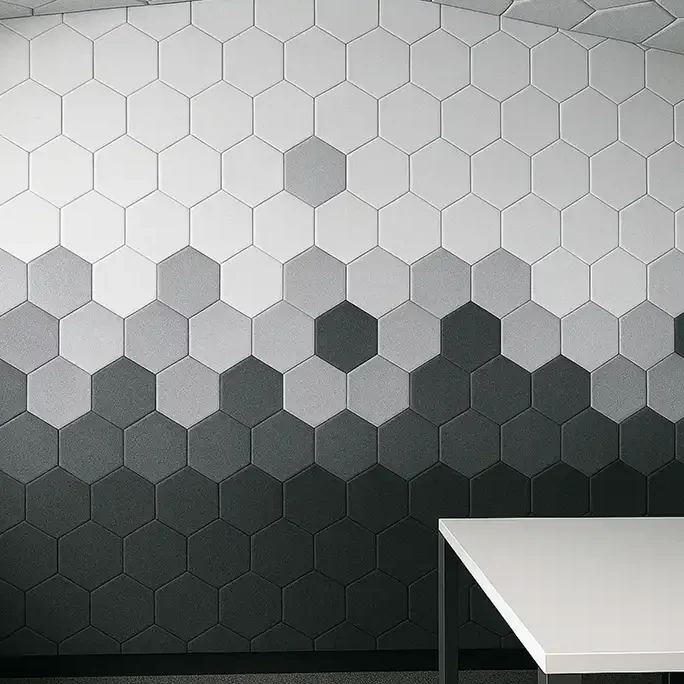


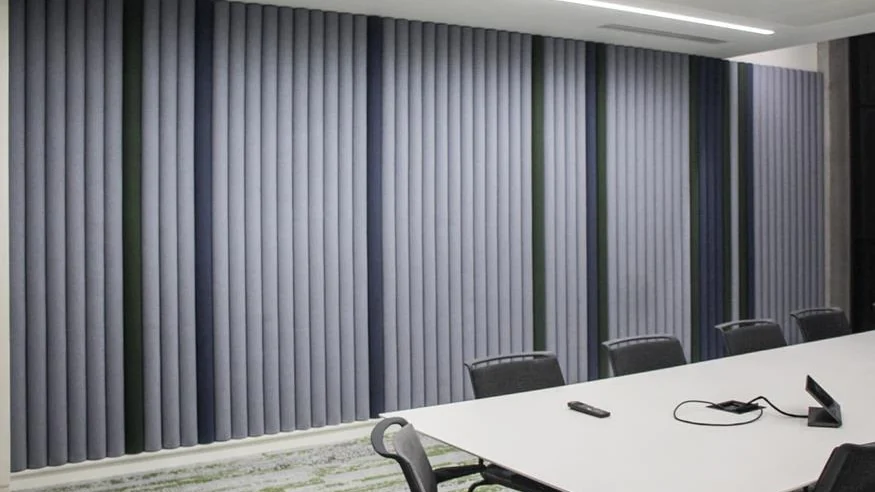
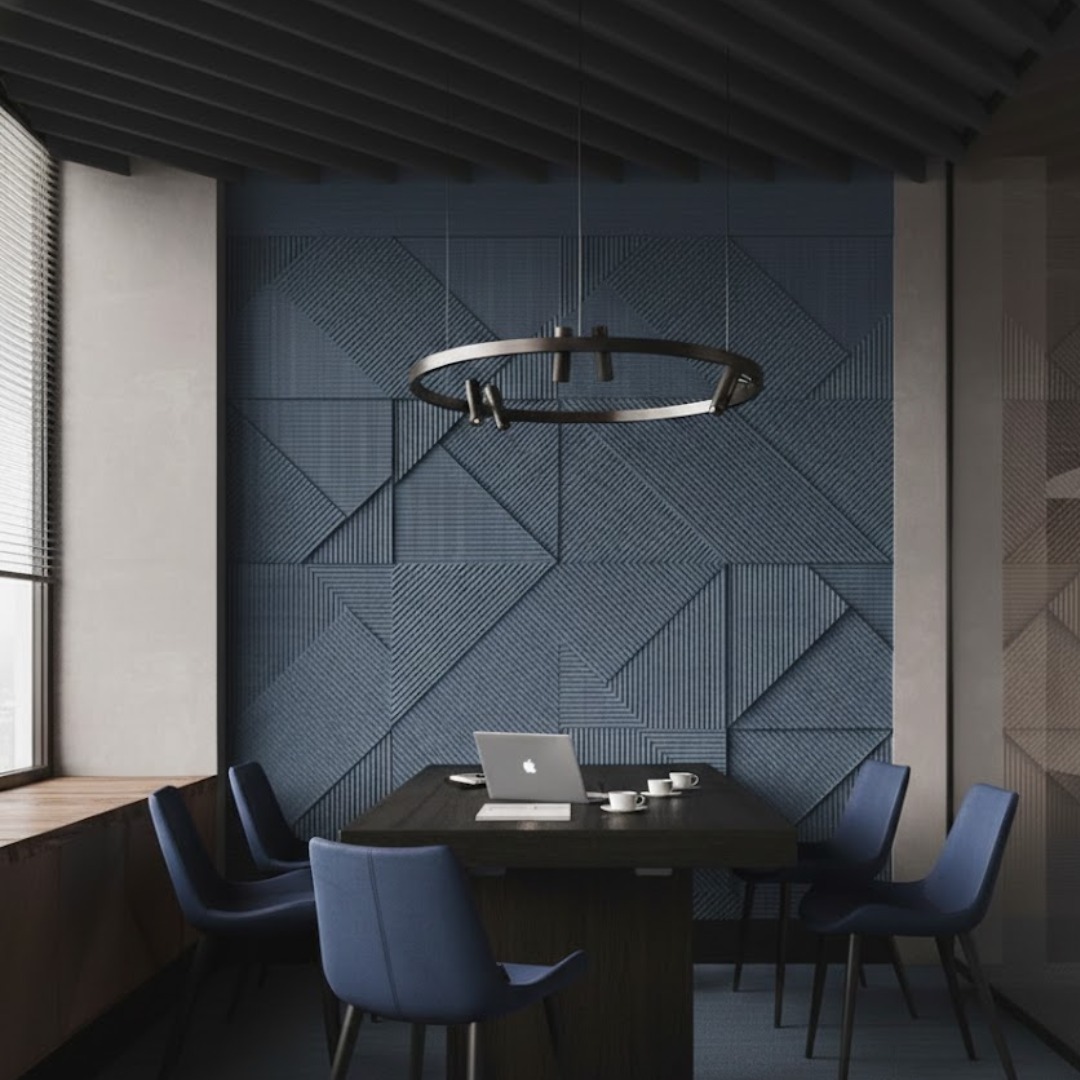
Hexagon tiles, printed walls and cut screens all take the same gentle care.
Can acoustic panels be washed or painted?
No. Soaking a panel, steam cleaning it or scrubbing it with water can distort it, mark it and leave moisture trapped behind it. Paint is worse: it fills the open surface that lets sound into the panel and turns an absorber into a reflector. How much sound a panel absorbs is measured with its surface as supplied, in a test such as ASTM C423, so anything that seals that surface changes the result. If a colour change is needed, replace the panel instead. Avoid bleach and solvents, which can fade colours and attack fibres.
Do PET acoustic panels get mouldy?
GAIA PET panels are made from recycled polyester fibres bonded with heat rather than chemicals, which makes them resistant to moisture, insects and mould. Mould still needs to be prevented at its source: damp walls behind panels, leaks and poor ventilation. The US Environmental Protection Agency's guide to mould and moisture makes the key point: the way to control mould is to control moisture. Fix leaks and condensation before fitting panels to a wall, and keep panels out of wet areas. The full PET range is shown under GAIA acoustic PET panels.
Acoustic panel care checklist
- Vacuum gently every few months, more often in dusty spaces.
- Blot spills straight away and spot-clean with mild soapy water.
- Test cleaners on a hidden corner before use.
- Never paint, soak, steam or use solvents.
- Keep panels away from cooking fumes and splashes.
Fitting panels so they are easy to reach and clean is covered in how to install acoustic panels, and where panels work best is in acoustic panels for walls.
What to send us
- photographs of the panels and any marks;
- the type of panel and when it was fitted, if known;
- where the panels are and what the room is used for;
- whether any panels need replacing.
Our team will advise on cleaning and supply replacement panels where needed.
Acoustic panel cleaning questions
Can I use a damp cloth on acoustic panels?
Yes, for spot cleaning, as long as the cloth is barely damp and you blot rather than rub. Let the panel dry fully afterwards.
Does cleaning reduce sound absorption?
Gentle vacuuming and spot cleaning do not. Paint, sealants and heavy soaking do, because they change the panel's surface.
How do I clean acoustic ceiling baffles?
Vacuum them with a soft brush on an extension wand, from a stable ladder or platform, without pulling on the panels or their suspension.
Can acoustic panels be cleaned with a steam cleaner?
No. Heat and moisture from a steam cleaner can distort PET panels and leave damp behind them. Use a vacuum and a barely damp cloth instead.
Panels that stay fresh
Keep your acoustic panels like new
Ask GAIA by Sanson Floorings about caring for your acoustic panels, or about replacement panels for a refresh.