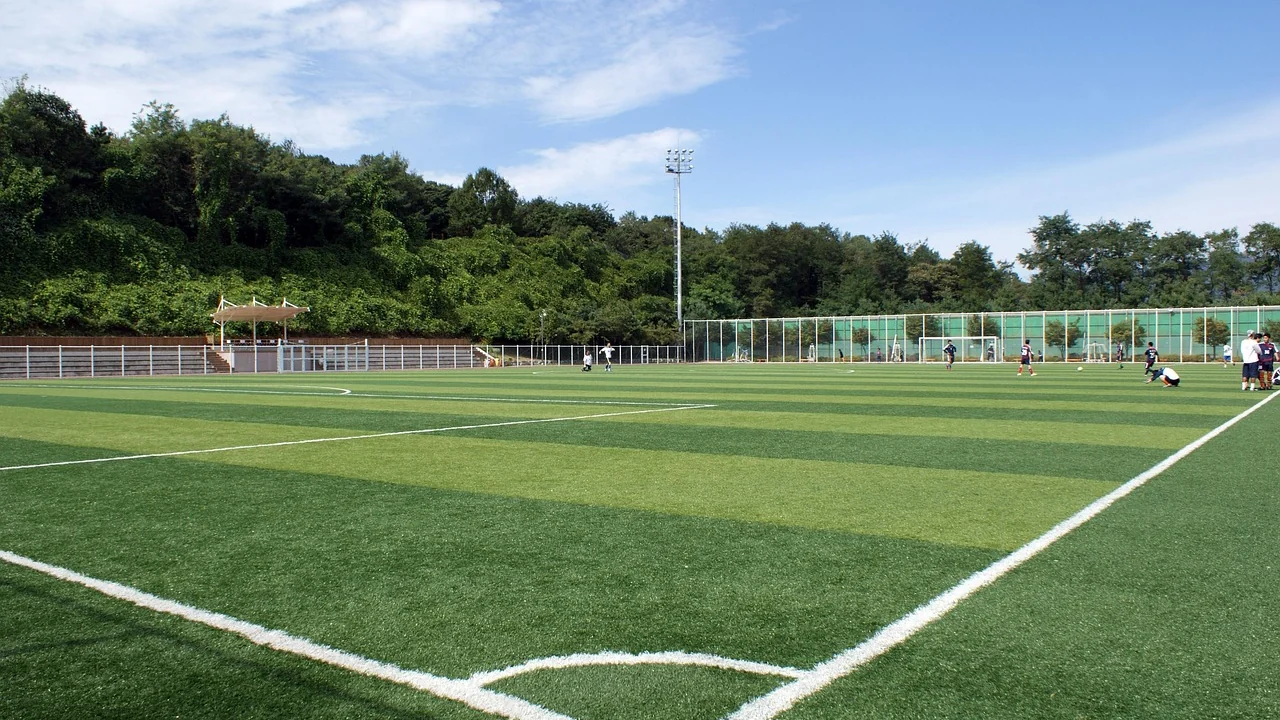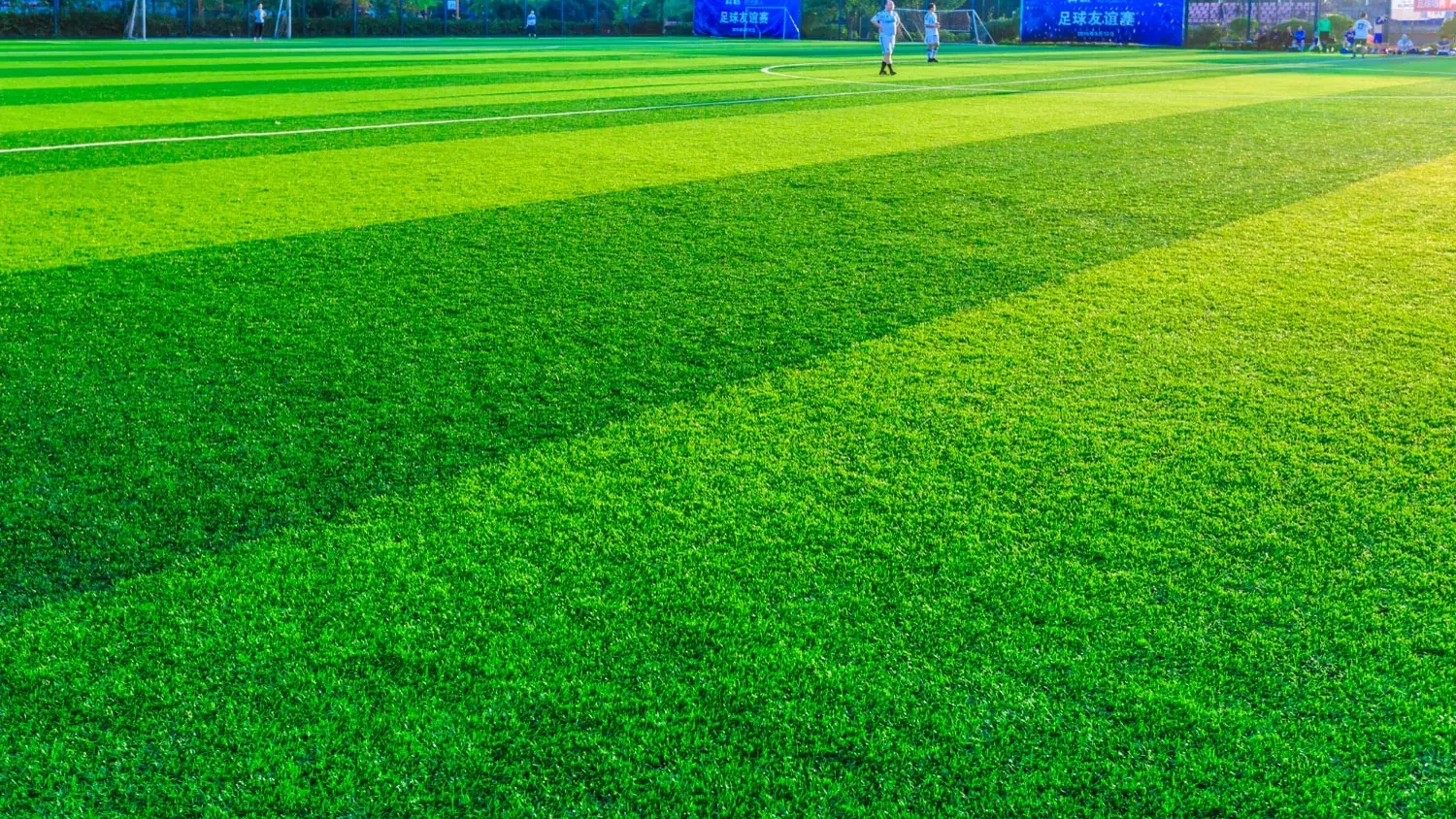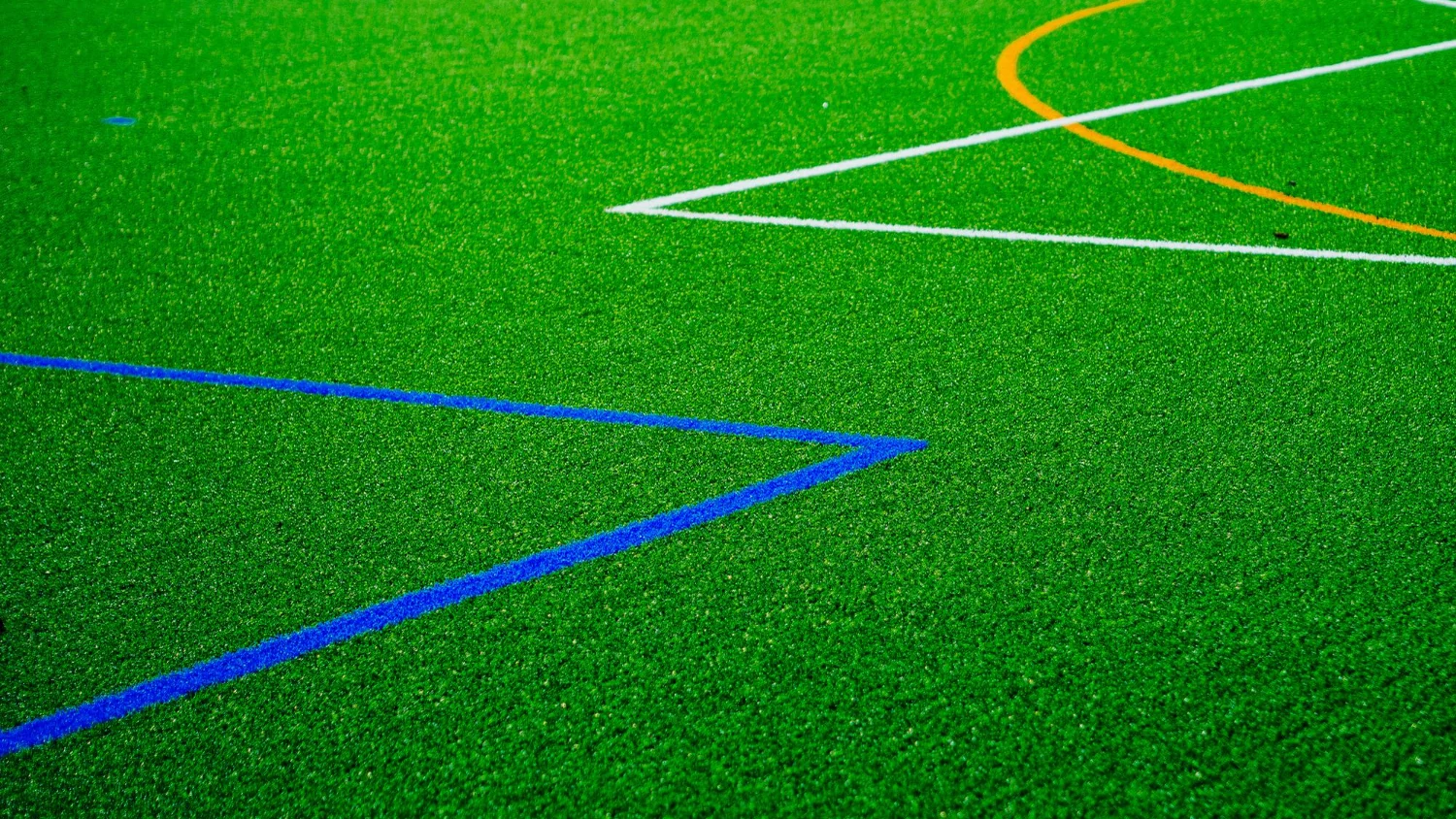
A shock pad is a resilient layer under artificial grass that cushions falls and footfall, makes the surface play consistently and softens a hard base. It is common under sports pitches and play areas and useful on concrete terraces; garden lawns often do without. GAIA by Sanson Floorings will advise.
Artificial grass is only as soft as what lies beneath it. Laid straight onto concrete, even a thick pile feels firm underfoot, and a fall hurts. On a sports pitch, the base also shapes how the ball bounces and how players' joints feel after an hour of play. A shock pad, sometimes called an underlay or e-layer, is the layer that fills that gap. This article explains what shock pads do, where they are worth the cost and where they are not.
Shock pads at a glance
- What it is: a resilient foam, rubber or composite layer between the base and the turf.
- Comfort: softens footfall and falls, especially over concrete.
- Performance: makes ball bounce and shock absorption more consistent on pitches.
- Safety: part of meeting critical fall heights under play equipment.
- Drainage: the pad must be permeable or perforated to let water through.
What does a shock pad do under artificial grass?
It absorbs part of the energy of an impact that the turf alone would pass to the base. When a player lands, a child falls or a ball bounces, the shock pad compresses a little and recovers, so the impact is less sharp and the surface behaves more evenly from one spot to the next. On sports surfaces, shock absorption is one of the properties measured in testing: the FIFA Quality Programme for football turf tests ball roll, bounce, shock absorption and player grip, and a shock pad is one way systems reach their targets with less infill. A pad also evens out small irregularities in a slab, so they do not show through the grass.
Do you need a shock pad for a football pitch?
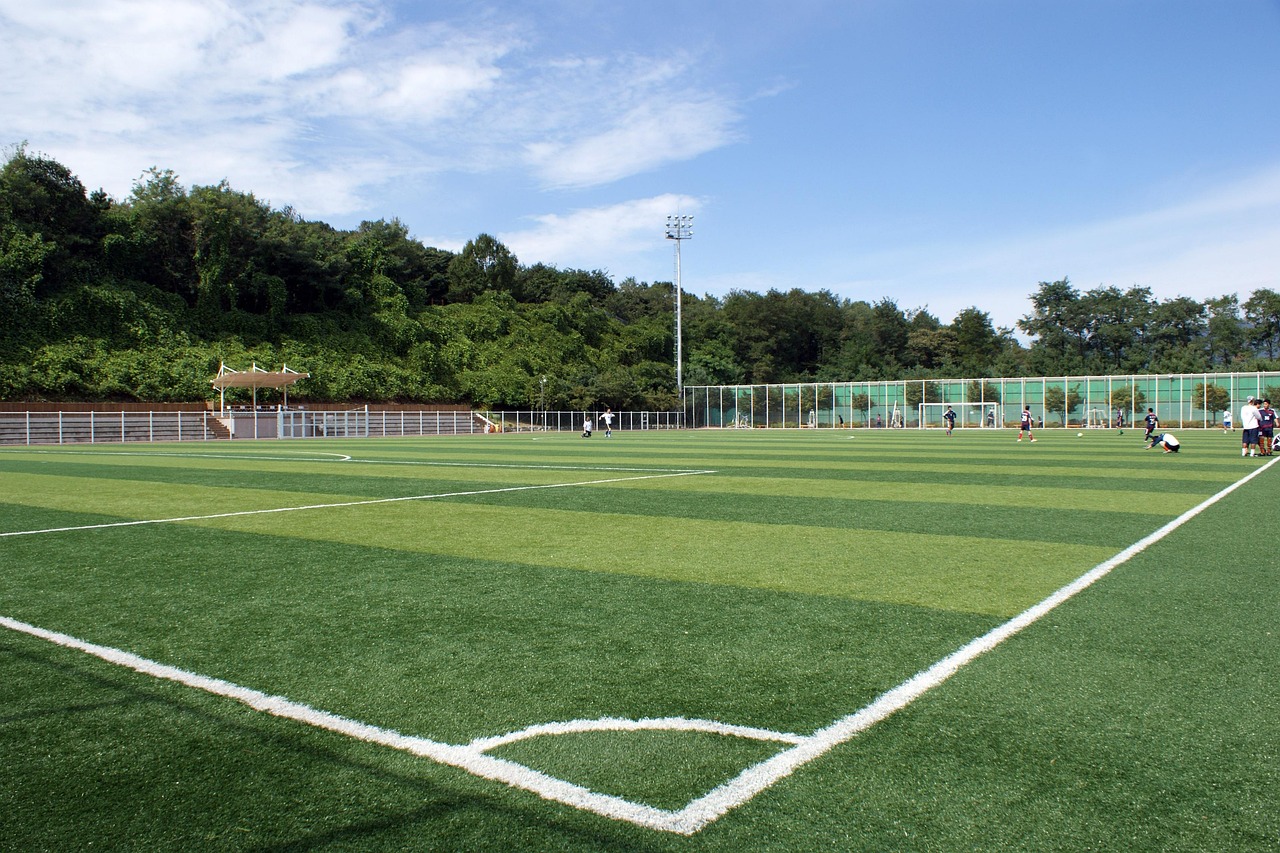
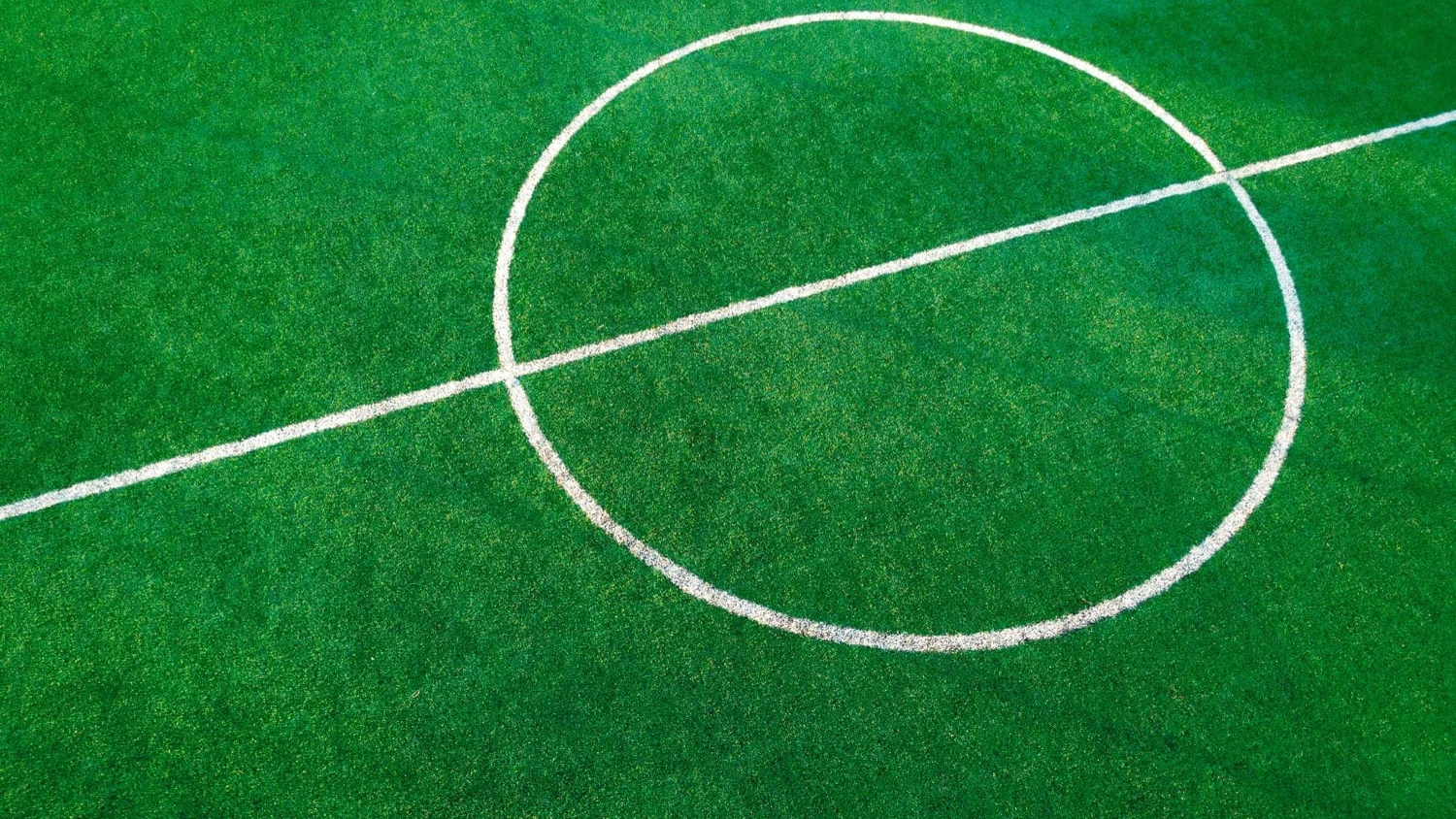
On busy commercial pitches, it is often worth it. A 5-a-side or box cricket arena booked every evening sees hard, repeated impacts, and a pad helps the surface stay consistent and comfortable over time. It can also reduce the amount of performance infill the system needs, which lowers the load on rooftop pitches. The pile height matters too: GAIA football turf comes in 30 mm and 50 mm, and a longer pile with infill gives more cushioning of its own. How the pieces fit together is set out in football turf for a 5-a-side pitch and box cricket turf. Football turf is shown under GAIA Sports Grass.
Do play areas need a shock pad?
Under equipment children can fall from, yes: the surface must be tested against the height of a possible fall. EN 1177, the European standard for impact-absorbing playground surfacing, sets out how the critical fall height of a surface is determined. Artificial grass over a suitable shock pad is one common way to meet it, but the combination must be tested or specified for the fall height of the equipment. For open play lawns without equipment, a pad is a comfort upgrade rather than a necessity. More is in play area flooring.
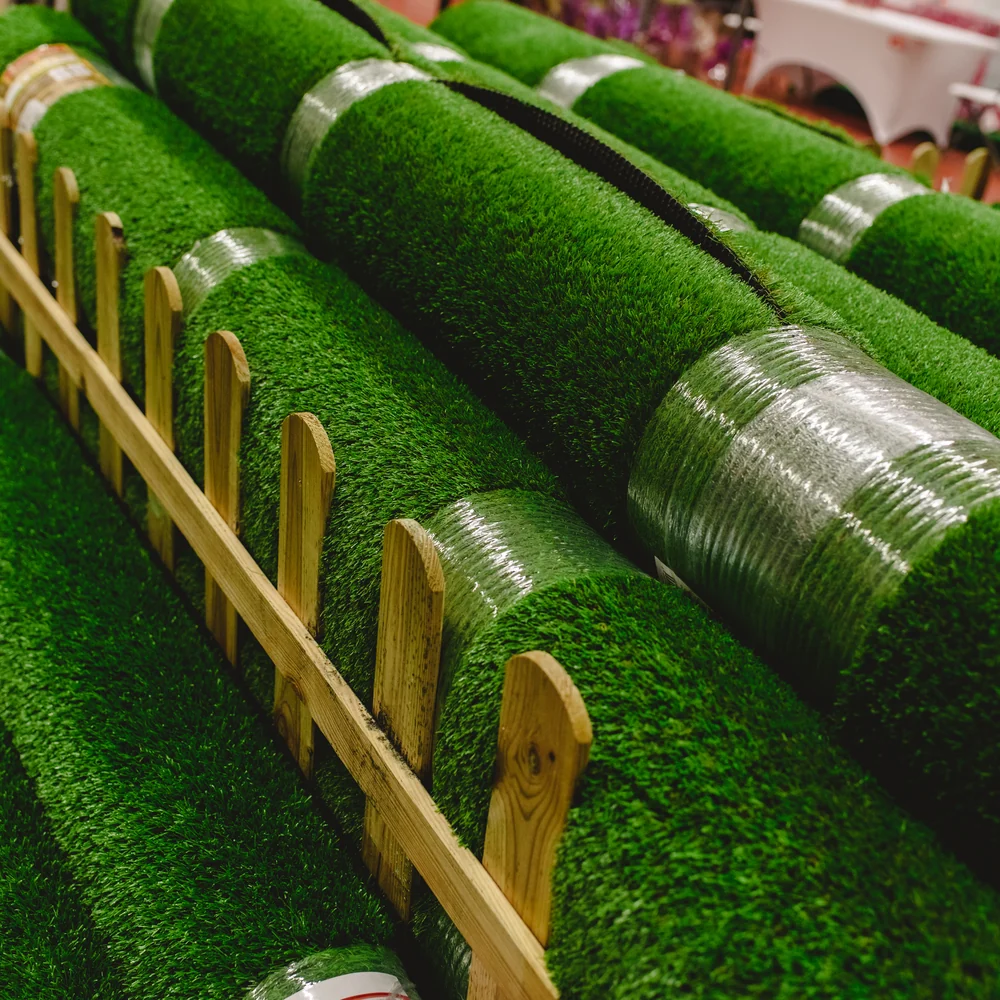
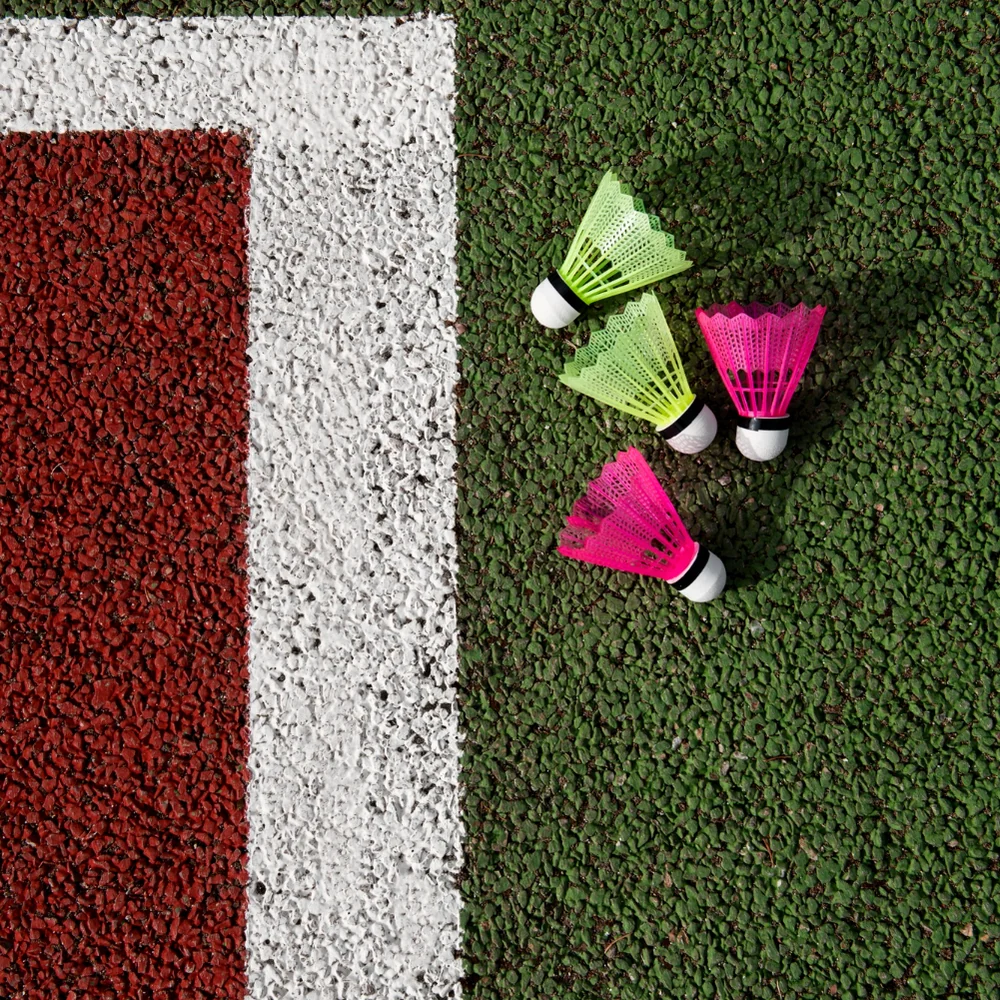
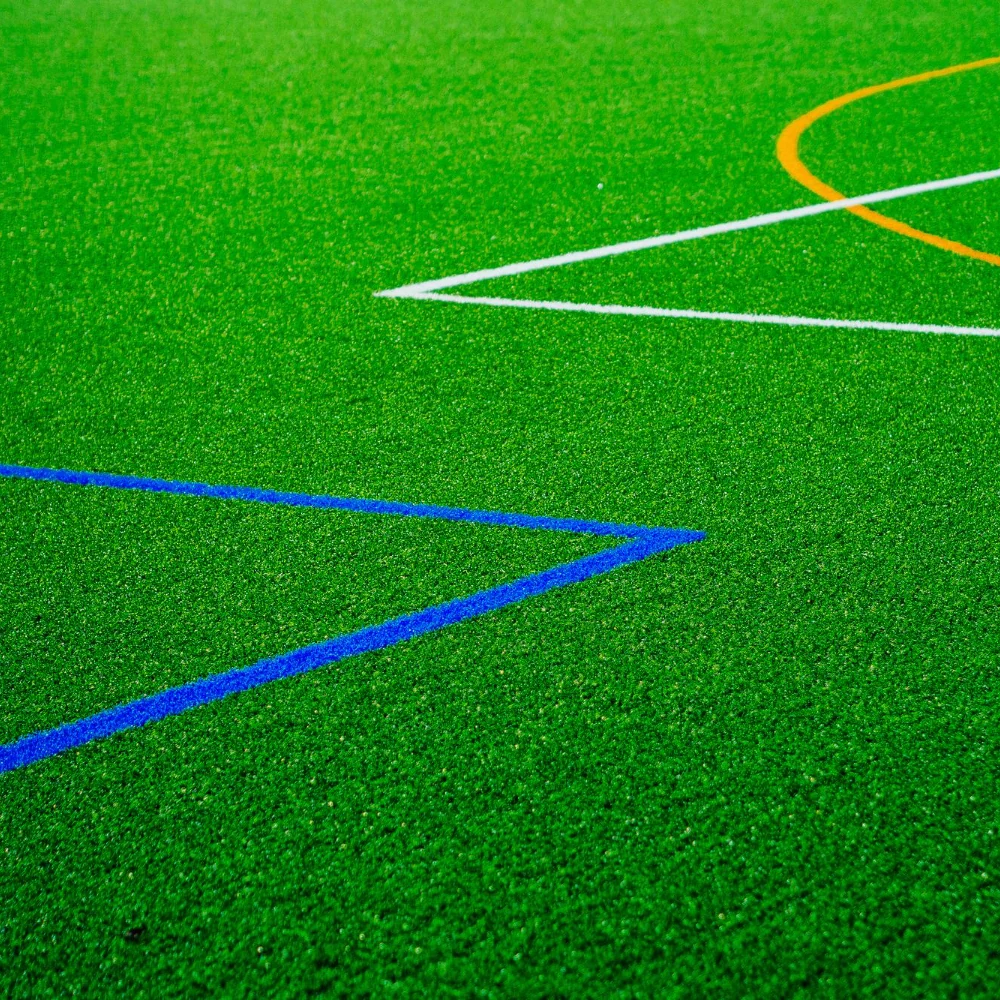
Courts, play zones and pitches each ask something different of the layer beneath the turf.
Is a shock pad worth it on a concrete terrace?
Often, yes. Concrete is hard and unforgiving, and grass laid straight onto it feels firm. A thin foam pad makes a terrace lawn more comfortable to sit and play on and hides minor irregularities in the slab. Choose a pad that drains, either perforated or permeable, so water still reaches the outlets, and keep it back from drains and edges in the same way as the grass. The terrace approach is covered in artificial grass on a terrace.
When can you skip a shock pad?
On a home lawn laid over a properly built soil base, where a compacted stone base with a fine levelling layer already gives some give, and on balconies with light use. Short court turf, such as GAIA MultiTurf in 10 or 15 mm, is often laid straight onto a sound slab for tennis and badminton, where a firm, true surface is the aim. The choice comes down to who uses the space, how they use it and what is underneath, which is why it is best settled at design stage. Installation steps are in how to install artificial grass.
What to send us
- what the space will be used for: lawn, play, sport or gym;
- what is underneath: soil, concrete, tiles or a roof slab;
- any play equipment and its height;
- photographs and dimensions of the area.
Our team will advise whether a shock pad is needed, and which grass to pair with it.
Shock pad questions
Is a shock pad the same as an underlay?
Broadly, yes. Both terms describe a resilient layer beneath the grass; sports systems often call it a shock pad or e-layer.
Does a shock pad affect drainage?
Only if it is not permeable. Use a perforated or free-draining pad so water passes through to the base.
Do I still need infill with a shock pad?
Sports turf usually still needs infill to support the fibres, but a pad can reduce how much performance infill is used.
How thick is a shock pad?
It depends on the use and the system: thinner pads add comfort on terraces, thicker pads are used under sports pitches and play equipment, where they are specified to meet a tested fall height or performance level.
Can a shock pad be added to existing grass?
Only by lifting the grass and relaying it over the pad, so it is best decided at the design stage.
Softer where it matters
Plan the layers under your turf
Tell GAIA by Sanson Floorings how your space will be used and what is underneath, and we will recommend the grass and build-up.